
Your website is your hardest working salesperson. It pitches at 3am, on weekends, in markets you have never visited. And most businesses never once check whether it is quietly bleeding trust. The failures that cost the most are the silent ones, because nobody phones you to say your contact form is broken. They just leave.
A quick website audit: five checks, ten minutes
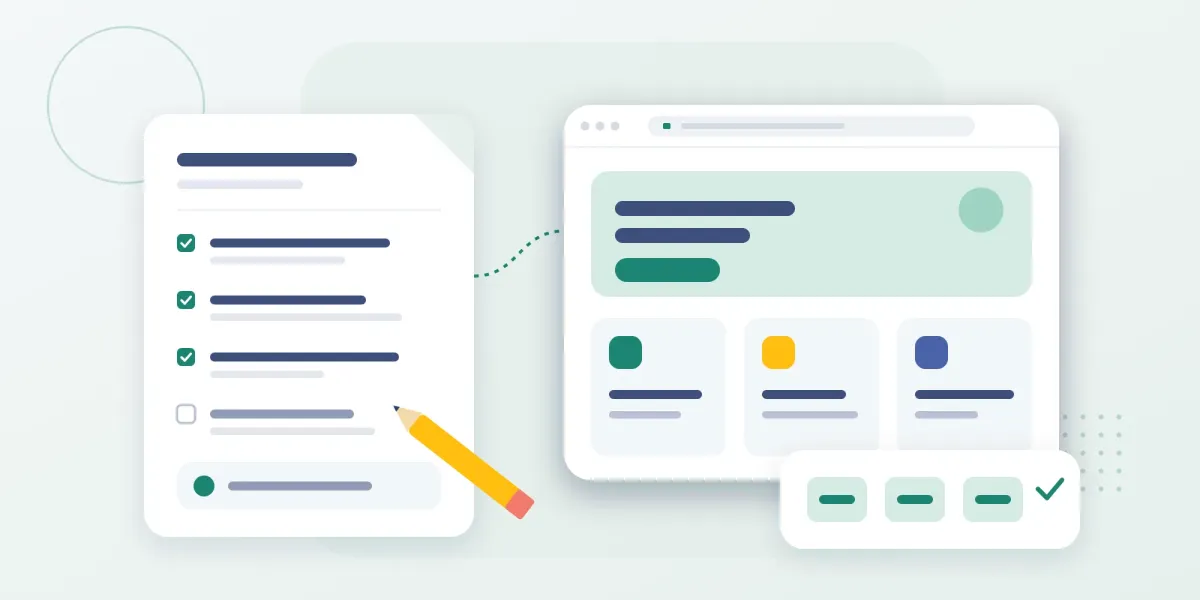
One: HTTPS everywhere. Load your key pages and watch for mixed content warnings. Confirm the certificate renews automatically. If you want the background, Cloudflare explains what HTTPS is in plain terms.
Two: submit your own lead form and make sure the inquiry actually arrives. We have audited sites where the form had failed silently for six weeks, which means every lead in that window simply evaporated.
Three: click through your money pages hunting for 404s. Four: load the site on a mobile connection. Aim for under three seconds, or you lose visitors before the pitch starts. PageSpeed Insights gives you a free reading. Five: check that your trust signals are visible, meaning a real address, a phone number that answers, and recent reviews.
Trust is a ranking factor and a conversion factor
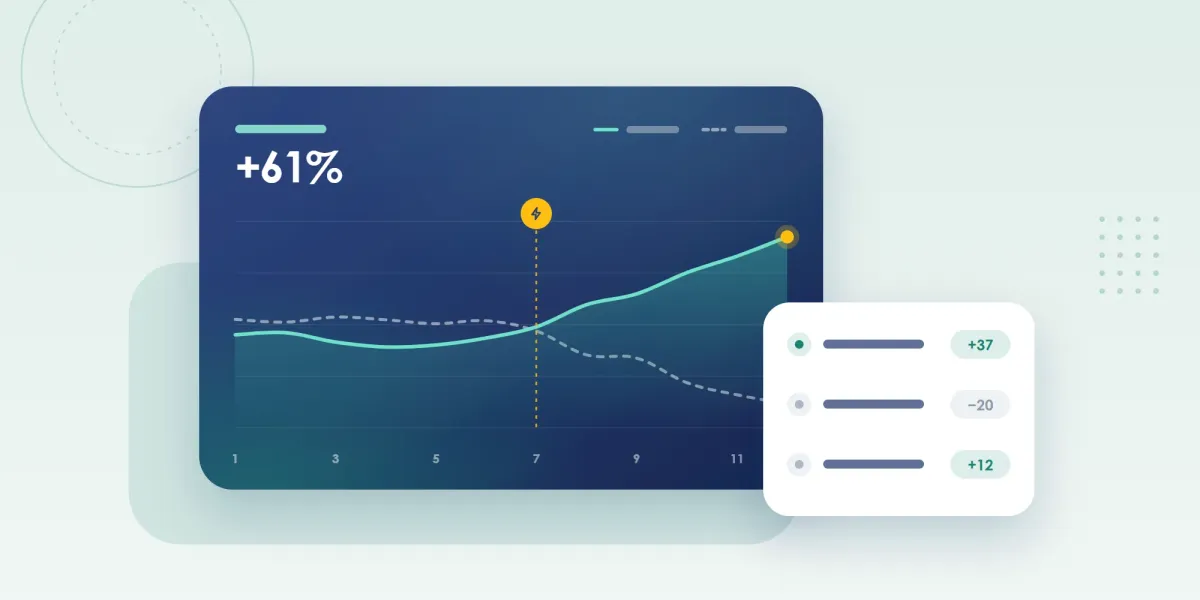
Google folds security and speed directly into how it assesses pages, so a neglected site pays twice. Fewer visitors arrive, and fewer of the ones who do convert. Users form a credibility judgment in roughly 50 milliseconds. An expired certificate warning or a stale copyright date in the footer answers the trust question before your copy gets a word in. Our notes on site speed for MENA audiences on mobile data explain why the third check matters so much here.
The three leaks we find most often
First, forms that submit to an inbox nobody monitors. On roughly one in four audits we run, the inquiry address belongs to a person who left the company, or the mail provider files the notifications straight into spam. Second, a checkout or contact step that works perfectly on desktop and fails on a specific mobile browser. Nobody notices, because the team all use the same phone. Third, content that contradicts itself. Opening hours in the footer disagree with the ones on your business listing. A landing page shows a price the sales team stopped honoring last quarter. A service page describes something you no longer sell.
None of these are difficult. All of them are invisible until someone deliberately looks, and every one of them costs you customers who will never tell you why they left.
How to test your form properly
A form test only counts if it mimics a real visitor. Submit from your phone on mobile data, using an email address that is not on your company domain. Check the inbox, the spam folder and any shared mailbox within five minutes. Confirm the visitor sees a clear thank you message, and that any automatic reply arrives too. Then ask a colleague to repeat the test on a different phone and browser. Write down the time each step took. If any step takes longer than a few minutes, or fails once, treat it as a live fault, because real customers hit it every day. Our guide to enquiry and booking flows that convert shows what a healthy flow looks like.
Run the ten minute check monthly and put it on the calendar next to payroll. If the audit keeps surfacing structural problems rather than loose screws, that is the moment a rebuild pays for itself. Our website and app development team engineers sites where speed, security and conversion are the foundation rather than the retrofit.