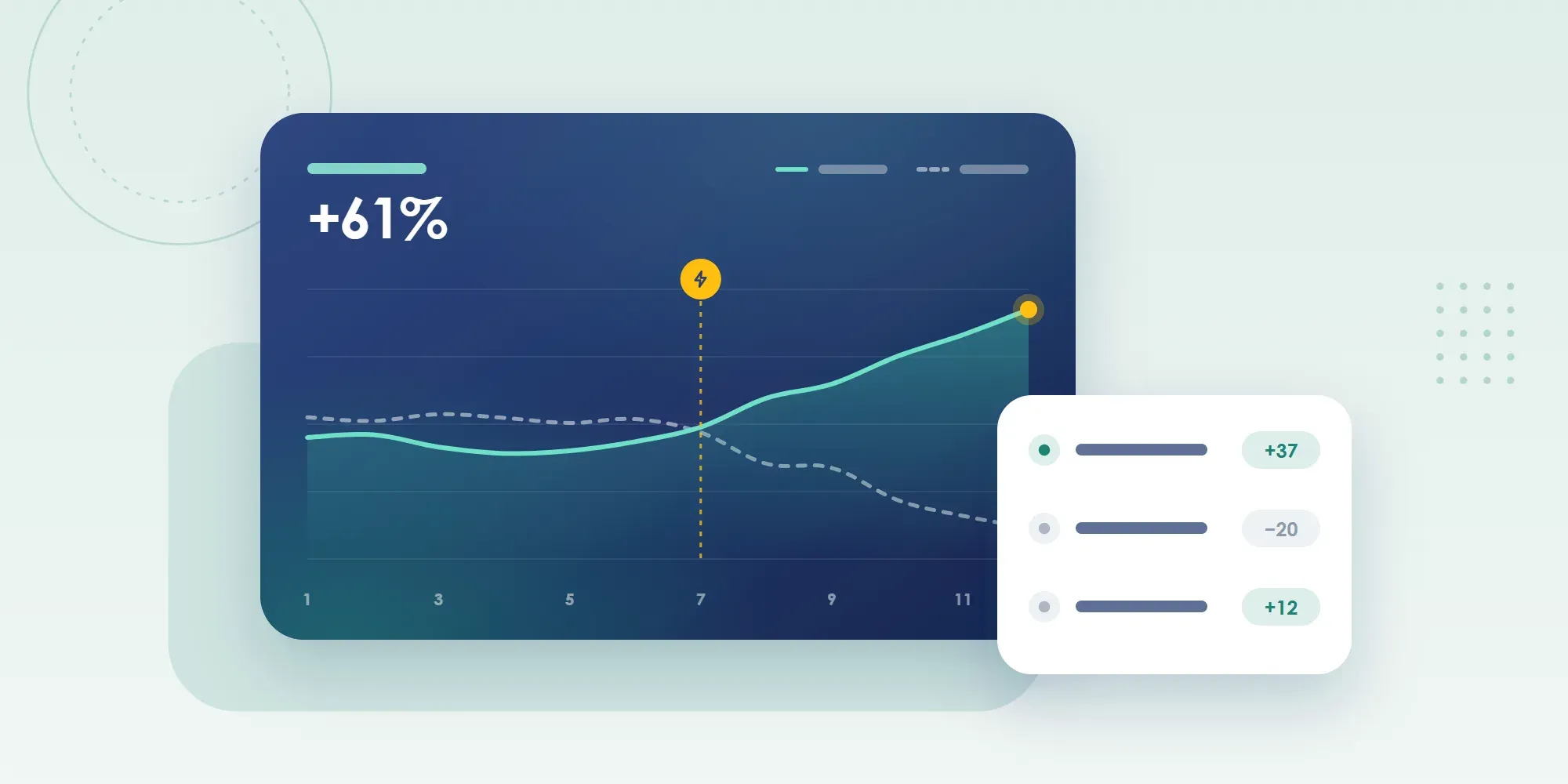
The March 2023 core update finished rolling out on March 28 after a full two weeks of turbulence, one of the longer rollouts Google has shipped. We tracked rankings for client sites across Egypt, the Gulf and the United States throughout, and the pattern that emerged was far less mysterious than the panic suggested.
Who won
Sites demonstrating genuine first hand experience climbed. Named authors with real credentials, product reviews with original photography and testing notes, and content clusters that had been updated rather than abandoned. This is the experience Google added to its quality guidelines late last year showing up in the rankings. The update rewarded proof that a human actually did the thing the page describes.
Who lost
Thin programmatic pages generated at scale, paraphrased content with no original data, exact match domains with weak brand signals, and sites carrying years of over optimized anchor text. The common thread was content built for the crawler instead of the customer. Several of the biggest losers had strong technical SEO. The template was clean and the substance was hollow.
One pattern deserves its own warning. Two sites in our sample had published large volumes of competent, on topic articles that simply restated what the top ranking pages already said. Nothing about them broke a guideline. They just added nothing, and after two years of steady growth both lost roughly a third of their organic visibility inside a fortnight. Being unobjectionable is no longer a ranking strategy.
What to do when a core update like March 2023 hits you
First, do nothing during the rollout. Rankings whipsaw mid update and panic edits destroy your ability to diagnose anything. Annotate the date in your analytics, then compare your losing URLs against the pages that gained for the same queries and write down what they have that you do not. Fix at the template and site level rather than page by page: author bios, original data, pruning dead weight.
Core updates grade the previous six months of work, which is why recovery is typically a two update project measured in months rather than sprints. Be suspicious of anyone promising a 30 day fix. Our SEO services are built around that reality: steady technical and content investment that compounds through every update instead of gambling on one.