We take a version of this call every few months. A company launched a new site three weeks ago, it looks far better than the old one, and organic traffic has fallen off a cliff. Nobody can explain it because nothing about the design is worse. The design was never the issue. What went missing is the part of the old site that search engines had spent years learning to trust, and most of it disappeared in decisions made during launch week.
Freeze an inventory before anyone opens a design tool
Crawl the current site and save the result: every URL, its title, its main heading, its word count and the pages linking to it. Then pull sixteen months of Search Console data and lay it on top, so you know which pages earn clicks rather than which pages the team is fond of. On most sites we audit, under twenty percent of pages account for nearly all organic entries, and a few of them are pages nobody in the company remembers writing.
That list is your protected set. Everything on it either keeps its address through the redesign or gets a deliberate one to one redirect to the nearest equivalent page. Everything else can be reorganized freely. Without the inventory those calls get made page by page during launch week by whoever is still awake, which is exactly how they get made badly.
Redesigning a website without losing rankings comes down to the redirect map
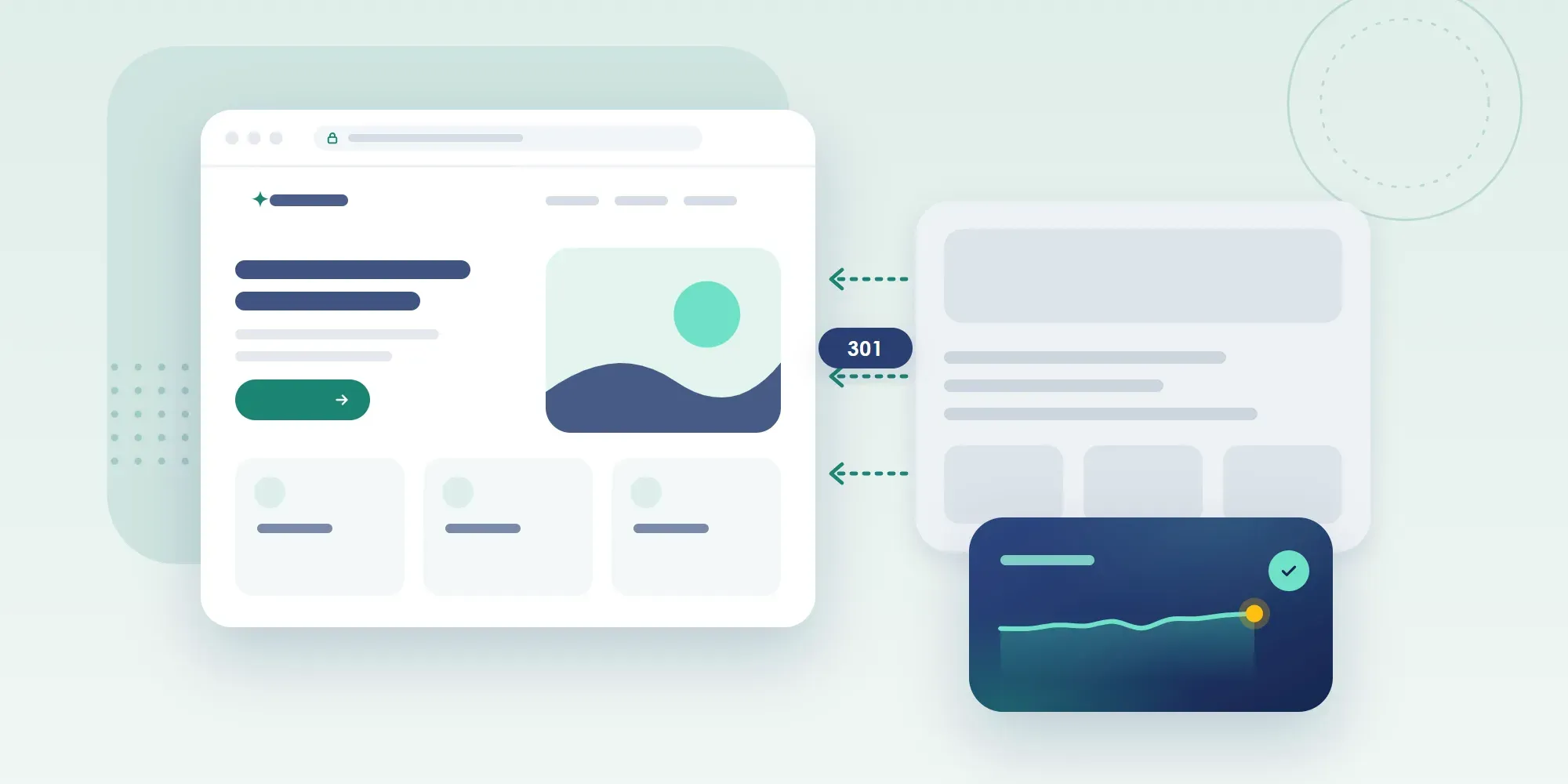
If the URL structure works, keep it. Changing clean addresses to satisfy a new information architecture is a cost with no return. Where they must change, map old to new one at a time and use permanent redirects. Two habits ruin redesigns. Pointing a batch of retired pages at the homepage, which tells a search engine the content is gone rather than moved. And chaining redirects through two or three hops until the signal thins out and the page slows down.
Protect the content while you are at it. Designers cut body copy because the layout breathes better without it, and that copy is frequently the reason the page ranked at all. Keep the titles, keep the headings, keep the substance. On a bilingual site, check that every hreflang pair still points at a live counterpart, because Arabic pages are the ones that quietly get orphaned in a rebuild. And keep internal links: a page that loses the twelve links that used to point at it will slide even though its own address never changed.
Change one variable at a time, then watch
The riskiest redesigns change the design, the platform, the URL structure and the copy in a single release. When traffic moves afterwards, nobody can say which decision caused it. Where the calendar allows, separate the platform migration from the redesign, or at least ship structural changes a few weeks apart from content changes.
Launch week is a checklist rather than a celebration. Remove the noindex tag the staging site was carrying, then check it again an hour later, because shipping that block to production is the most expensive mistake on this list. Crawl the live site within a day and compare it against the frozen inventory, hunting for 404s, redirect chains, missing titles and lost links. Submit the new sitemap and watch coverage daily for a fortnight. Keep analytics comparable, which this year means confirming the new build fires real events in GA4 rather than collecting page views, since Universal Analytics stopped processing in July.
Timing matters as well. Do not launch into peak season, do not launch the week before a sale, and do not launch on a Thursday afternoon when half the team is about to disappear. Done properly a redesign holds its rankings through launch and improves on them the following quarter, which is why our website and app development team writes the migration plan with the SEO team before the design is signed off.