
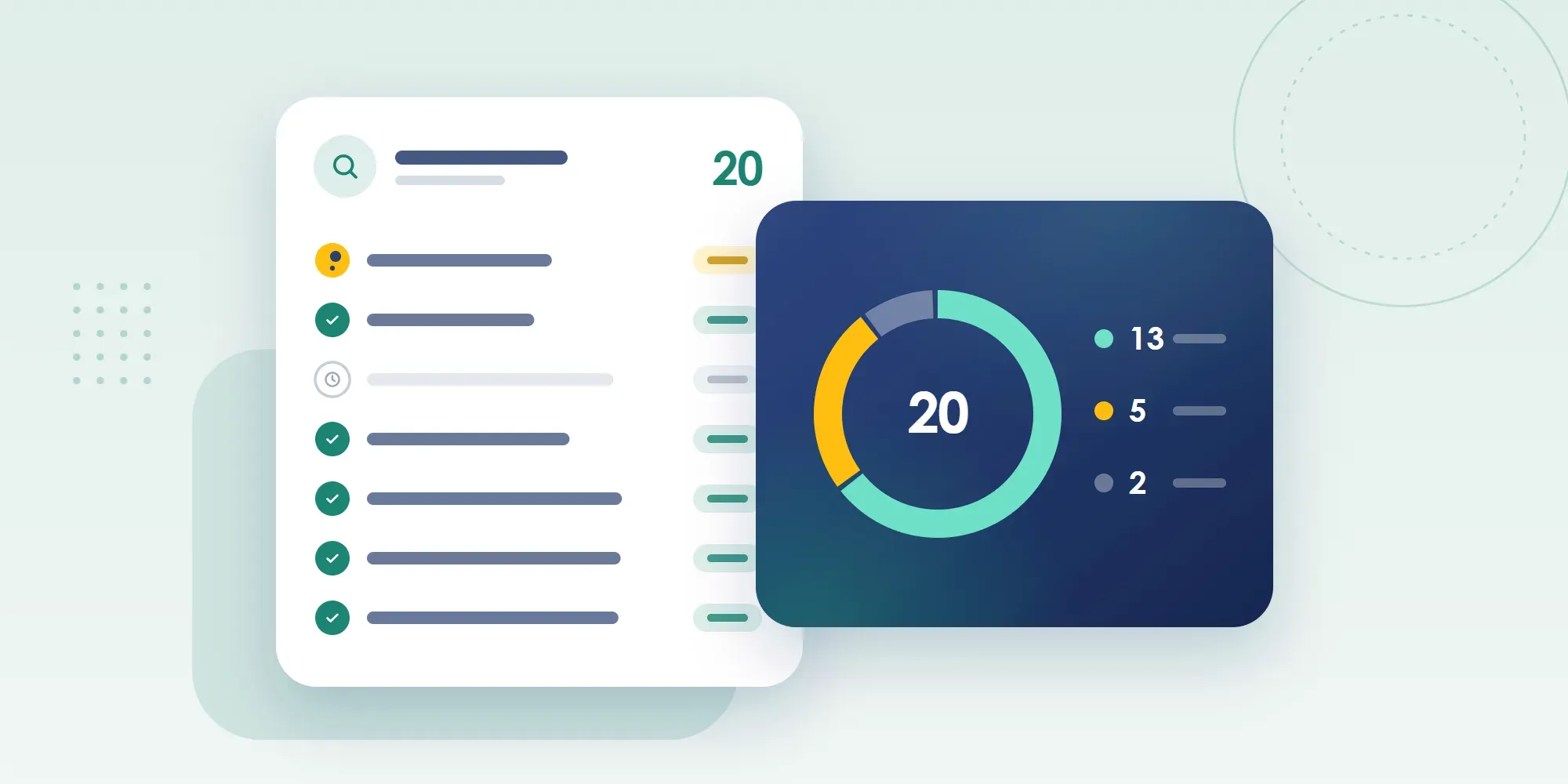
A technical SEO audit can run to eighty pages and still miss the thing that is actually costing money. So we work a fixed opening list, twenty checks in three groups, and it accounts for the overwhelming majority of what we find. On a mid sized site it takes a day. The findings then get scored by effort against revenue impact, because a site with forty problems can only fix five this quarter.
Technical SEO audit, group one: can Google reach it and does it keep the right version
One, read robots.txt line by line, because a disallow left over from a rebuild is still the single most expensive character string on the internet. Two, hunt for stray noindex tags and headers, especially on templates. Three, check that the XML sitemap contains only canonical, indexable, live URLs, and compare its count against indexed pages. Four, confirm one and only one home for the site, meaning http, https, www and non www all resolve to a single version. Five, find the staging or development subdomain and confirm it is not indexed, which fails more often than anyone expects.
Six, audit canonical tags for the classic error of every page pointing at the homepage. Seven, map redirect chains and loops, then flatten them. Eight, look for soft 404s, pages returning a 200 status while telling the user nothing was found. Nine, examine faceted navigation and URL parameters on any store, because filters generate infinite crawlable combinations and quietly eat the crawl budget. Ten, review pagination handling on category and archive listings.
Group two: rendering, speed and the phone
Eleven, render the page as Google does and compare it with the raw HTML. If the main content, the internal links or the copy only appear after JavaScript executes, you have a dependency worth removing. Twelve, measure Core Web Vitals from field data rather than a lab score, since the ranking signal that arrived last year uses real users. Thirteen, find what is delaying the largest contentful paint, which on nine sites out of ten is an unoptimized hero image or a font. Fourteen, hunt layout shift caused by images without dimensions and by ad or banner slots injected late.
Fifteen, test on a throttled mobile connection rather than office fiber, because a large share of Egyptian traffic arrives on mobile data outside the main cities. Sixteen, count third party scripts in the tag manager and delete the dead ones. Seventeen, check image formats and weights, which remains the cheapest performance win available on almost every site we inherit.
Group three: structure and signals
Eighteen, pull every title tag and H1 into a spreadsheet and look for duplicates, missing values and templates that put the brand name first on every page. Nineteen, measure click depth from the homepage to each money page and find orphan pages with no internal links at all. Twenty, validate structured data and language targeting together, since the two most common errors are a broken product or organization block and language annotations that point at pages that no longer exist.
Two habits make the difference between an audit that gets implemented and one that gets filed. Write every finding with the fix attached, in language a developer can act on without a follow up meeting. And separate the list into things the marketing team can ship this week and things that need a developer sprint, because mixing them guarantees neither happens.
One more note for anyone auditing a site ahead of the analytics changeover next year. Fix tracking before you fix rankings. If measurement is broken you cannot prove any of this worked, and unprovable work does not get renewed. If you want this list run against your own domain by people who do it weekly, it is the opening stage of our SEO services.