Search for a web development company in Egypt and you get directory pages ranking hundreds of firms. You get agencies ranking themselves first on their own lists, and quotes for the same brief that sit five times apart. None of that tells you who will build a site that still works, ranks and sells in three years. This is the process we would follow if we were the buyer.
Test the work, not the portfolio page
A portfolio is a set of screenshots. The live sites behind it are the evidence. Pick three projects that look like yours and open them on a mid range Android phone over mobile data. That is how most of your Egyptian customers will meet your site. Do they load in a couple of seconds, or does a white screen sit there while a slider loads?
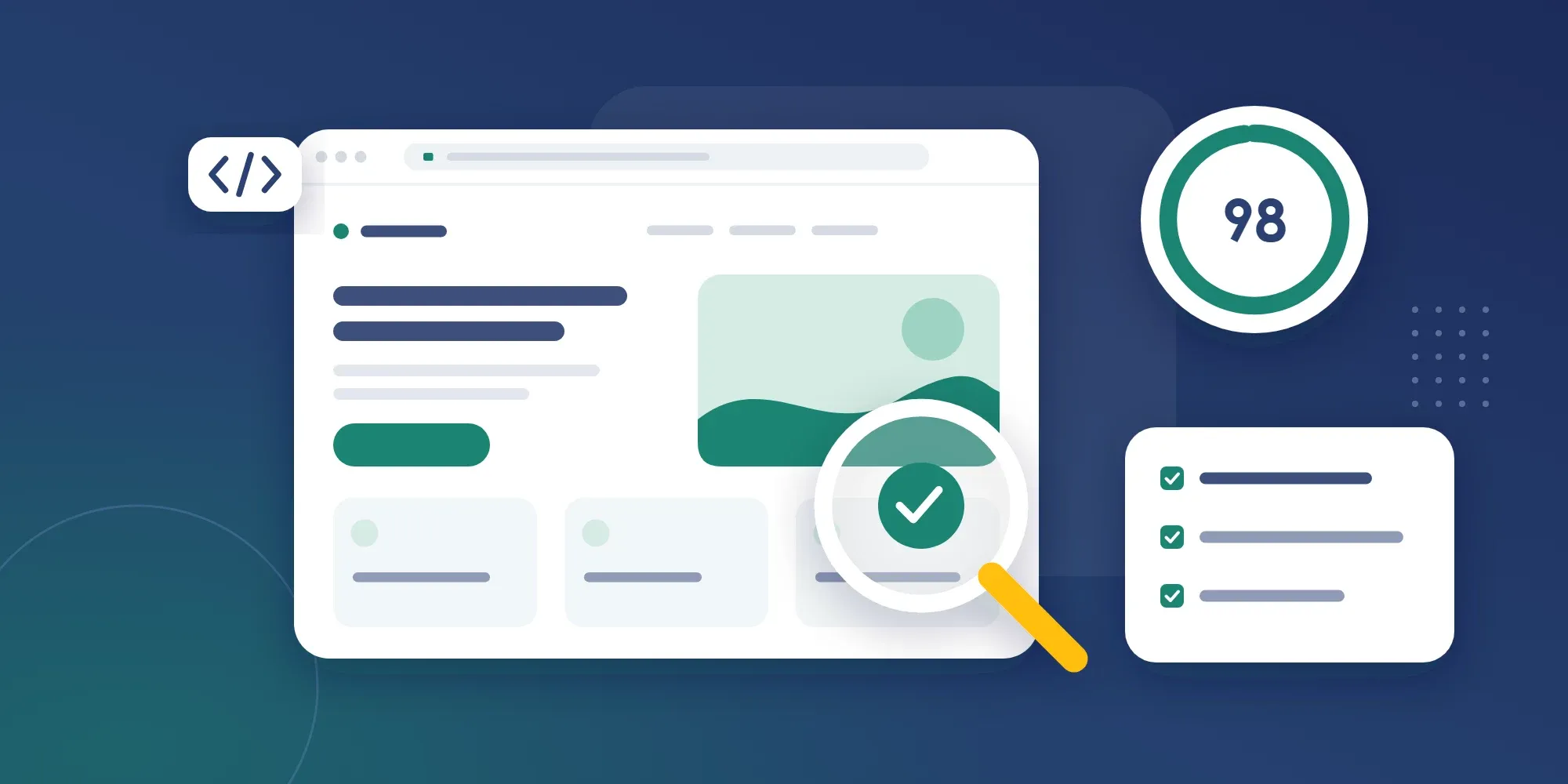
Run each one through Google PageSpeed Insights and look at the mobile score. If most of their work scores under 50 on mobile, that is the quality you will get too. Switch to the Arabic version and check whether it is a real right to left layout with proper Arabic typography, or English pages with the words swapped. Submit a contact form. Look at the date of the latest blog post and the copyright line.
Then ask for one client you can call. A company that keeps its clients for years will hand over a name without hesitating. Ask that client two questions: did the project launch on the date promised, and what happens when something breaks?
Five questions to ask a web development company in Egypt
Who writes the code? Many firms sell the project and pass it to freelancers, which is fine until the freelancer disappears halfway through. Ask to meet the people who will do the work.
Why this platform? WordPress, Shopify, Laravel and custom builds each fit different briefs. A company that recommends the same tool to every client is selling what it knows, not what you need.
Who owns everything? The domain, the hosting account, the code, the analytics and the admin logins should be in your company name from the first day. If the builder holds them, you are renting your own website.
Where is staging? A good team tests every change on a copy of the site before it reaches customers. No staging environment means your customers are the testers.
What happens to my rankings? If you are replacing an old site, every old address needs a redirect to its new home, or years of search traffic vanish overnight. Google documents the process in its guide to site moves with URL changes, and we cover our checklist in redesigning a website without losing your rankings.
Reading proposals and rankings properly
A proposal priced per page is a warning sign, because pages are the cheapest part of a modern site. So is "unlimited revisions", which usually means there is no design process to bring the revisions to an end. A serious proposal starts with a short discovery phase and names the deliverables. It lists what is excluded, sets out the maintenance terms after launch and states who signs off each stage.
Directory rankings help you build a long list, not a short one. Several of the big directories sell sponsored placements and say so in their own small print. Read the written reviews instead of the position. Look for reviews that mention deadlines, communication and life after launch rather than just a nice design.
Finally, compare the cost of the whole three years: the build, hosting, maintenance and the content updates you will need. The cheapest quote is often a deposit on a rebuild.
If you want to put us through the same test, our web development company page sets out how we build and what we build on. A free audit of your current site reaches you within 48 hours.