More Saudi and Emirati companies now build their apps with teams in Cairo, and the reasons are sound. Both sides speak the same language, the working hours overlap, and engineering rates sit well below Riyadh or Dubai. What goes wrong is treating app development for Saudi users as an Egyptian app with a different currency. The core product travels well. Payments, data rules, tone of voice and the app store setup do not. Those are the parts that decide whether the launch goes smoothly.
App development for Saudi users starts at the checkout
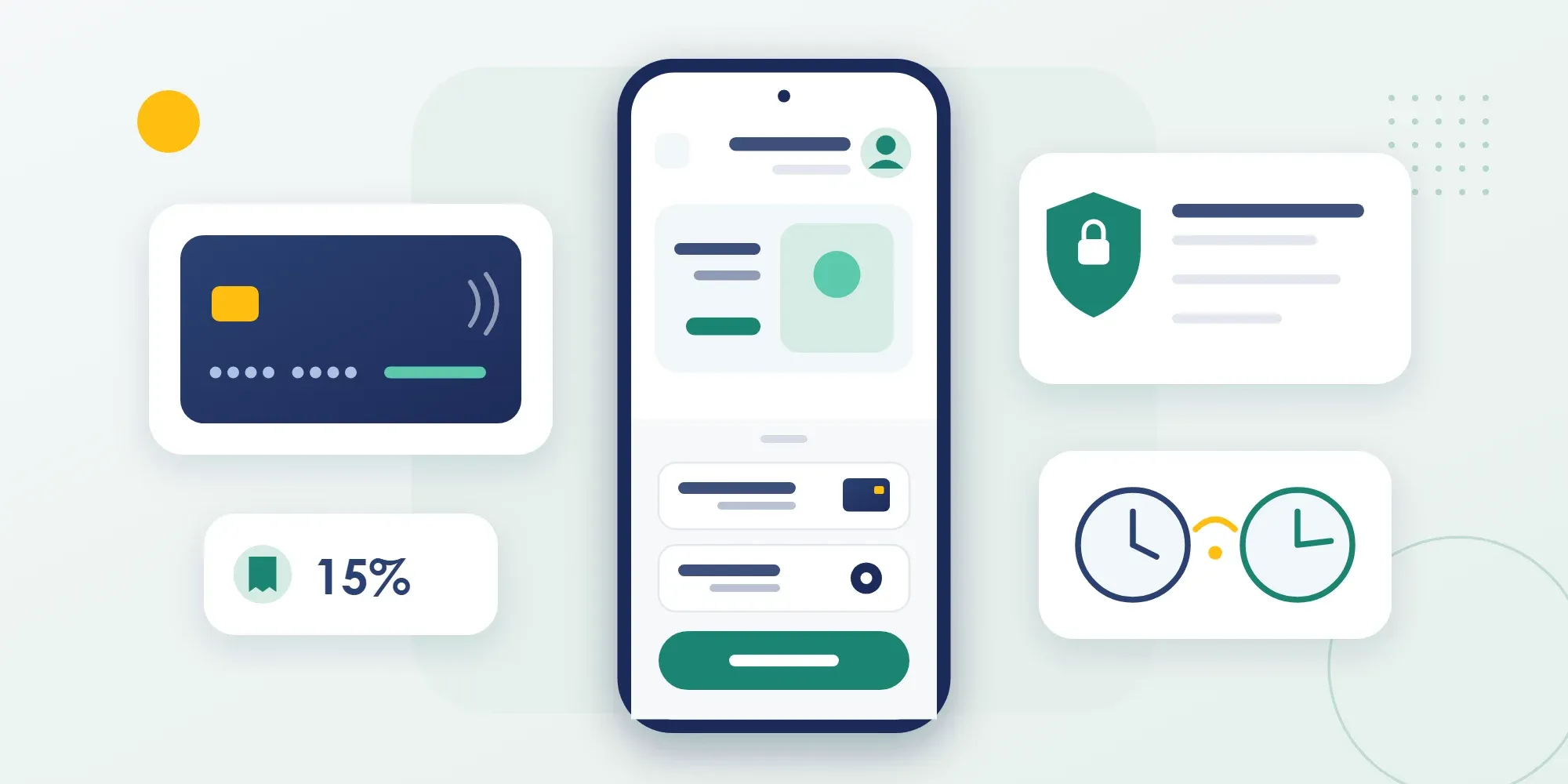
In Saudi Arabia, most card payments run on mada, the national debit network. A checkout that only accepts Visa and Mastercard turns away a large share of buyers. Apple Pay is common in both Saudi Arabia and the UAE. In fashion, beauty and electronics, customers also expect to buy now and pay later through Tabby or Tamara.
The gateways differ too. Instead of Paymob or Fawry, you will integrate something like HyperPay, Moyasar, PayTabs, Tap or Checkout.com. Each has its own sandbox and its own settlement rules, so budget testing time for each one.
Prices should show in riyals or dirhams with VAT included: 15 percent in Saudi Arabia and 5 percent in the UAE. Some businesses invoice Saudi customers through the app. Those invoices have to meet the ZATCA e-invoicing rules. That integration belongs in the first scope, not in a rushed fix the month before launch.
Data protection is now law in both markets
Saudi Arabia has enforced its Personal Data Protection Law since September 2024. The law places conditions on moving personal data outside the kingdom. The UAE has its own federal data protection law. In practice, the app needs three things. First, a written list of the personal data it collects and why. Second, consent screens that say so plainly. Third, an early decision on hosting. Many Saudi enterprise and government buyers ask for a cloud region inside the kingdom before they sign.
Card data should never touch your servers at all. The gateway's tokenised checkout handles it, which also keeps your own security review far smaller.
Language, tone and the store listing
Gulf users notice Egyptian dialect in an interface immediately, and it reads as foreign. Write interface copy in clear Modern Standard Arabic, and have someone from the market review the marketing lines. The same goes for the App Store and Google Play listings. Put Arabic first for Saudi users, with Arabic screenshots, then English. Small details matter too. The signup form should accept the Saudi mobile number format, and dates should read the way customers write them.
Setting up the engagement
Open the Apple developer account in the client's own company name. Apple asks organisations for a D-U-N-S number to do this. Register the Google Play account the same way, so the app never belongs to the agency. Keep the code in a repository the client owns.
Agree on the working week up front. Saudi Arabia and Egypt both rest on Friday and Saturday, while most UAE businesses work Monday to Friday. Cairo sits one hour behind Riyadh in winter and on the same clock in summer. It sits one or two hours behind Dubai, so a daily overlap is easy to protect.
Our web and app development team builds for brands selling in Cairo, Riyadh and Dubai. Some apps have to run on top of stock, sales or field teams. Our ERP and CRM mobile apps service connects those to the systems behind them. If you are still pricing the build, our guide to mobile app development cost in Egypt sets out the bands.