Almost every business in Egypt is already selling on WhatsApp. Very few of them would describe it as a channel, budget for it, or measure it. It sits on a personal phone in someone’s pocket, doing more revenue than the website, with no reporting and no backup.
Why WhatsApp Business works here specifically
Two reasons. Trust and habit. A customer who is not comfortable entering card details on an unfamiliar site is perfectly comfortable asking a question in a chat. They can see a photo of the actual item and agree a price with a person. And WhatsApp is where they already are all day, so there is no app to install and no account to create. We make the wider case for owning your site as well in why an Egyptian SME still needs a real website.
The numbers back it up. Across our clients this year, inquiries that started in chat closed at several times the rate of inquiries that started in a web form. They also closed faster. The gap is not subtle.
The upgrade path, in three steps
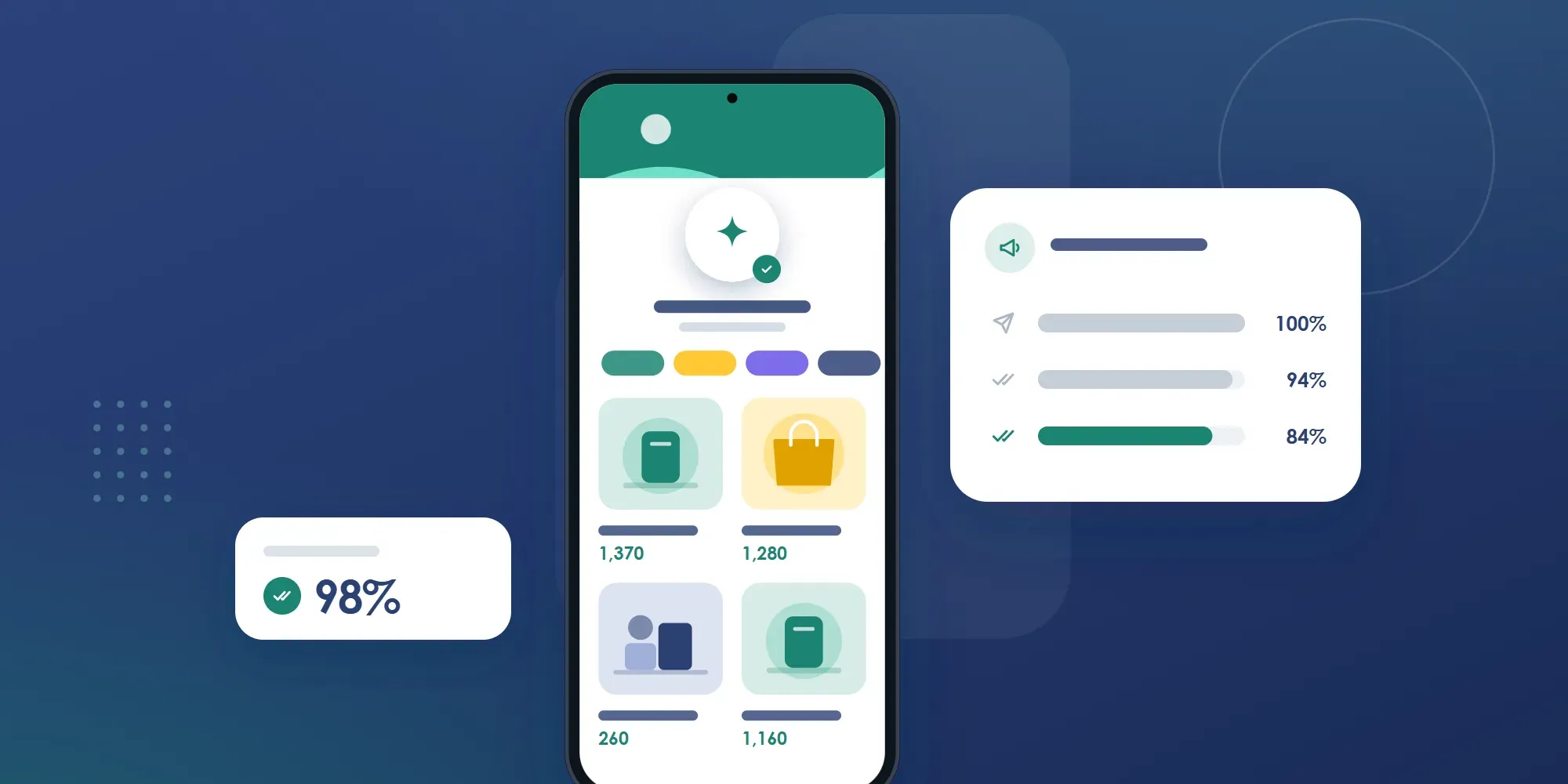
Step one, move off the personal number to the free WhatsApp Business app. You get a business profile with your address and hours. You get a product catalog, quick replies for the questions you answer forty times a day, and labels so you can tell a new inquiry from a paid order. This takes an afternoon and changes everything downstream.
Step two, set a response time standard and staff it. Under fifteen minutes during business hours is achievable for most small teams, and it is the single biggest driver of conversion in chat. Nothing else you do matters if the customer is waiting until tomorrow.
Step three, treat it like a channel. Put a click to chat link on every page of your site, in your Instagram bio, and in your ad creative. Track how many orders start there. Once you can see the number, the case for resourcing it properly makes itself.
Set the rules before the volume arrives
Chat scales badly without a few agreed habits. Write a greeting message that says who you are and when you reply. Write an away message for evenings and Fridays, so nobody feels ignored. Save quick replies for delivery times, payment options and returns, and keep the wording human rather than robotic. Label every conversation as new, quoted, paid or delivered. At the end of each week, count how many chats reached each label. That one count shows you where customers drop out, and it is the same funnel logic we apply in enquiry and booking flows that actually convert.
Decide who owns the phone. A single shared device that one person carries home is a risk, because a resignation can take your customer history with it. Give two people access, write down the response rules, and keep a short list of the answers that need a manager. This is also where the free app stops being enough. When the volume outgrows a phone, the WhatsApp Business API documentation explains the next step.
What not to do
Do not buy a list and start broadcasting. Unsolicited messages in a personal inbox destroy trust faster than any other marketing mistake available to you. People will block the business, not the message.
Chat is the most personal channel you have. Used well it is a genuine advantage, and it costs almost nothing to start. If you want it wired into the rest of your marketing rather than living on one phone, that is the sort of practical work we plan on a first call.