An American buyer landing on a site they have never heard of runs a credibility check that takes a few seconds and happens mostly below conscious thought. They are not evaluating your product yet. They are deciding whether this is a real company that will still exist when something goes wrong. Regional sites fail that check constantly, and they never find out, because nobody emails to say they did not trust you.
The checks they run without noticing
A phone number with a US area code, displayed rather than buried in a contact form. A physical address that is not a mailbox service. An about page with real names, real photographs and real job titles, because a page of stock imagery reads as a shell. A dot com domain wherever possible, since a country code that does not match the market where you claim to operate raises a flag before a word is read.
Then the writing itself. American spelling, American date formats, American units. Colour with a u, a price written as EGP, a phone number in an unfamiliar format: each one is small and each one tells the reader that this site was not built for them. Prices should be in dollars with tax treatment stated plainly, not converted on the fly.
Third party proof beats anything you say about yourself
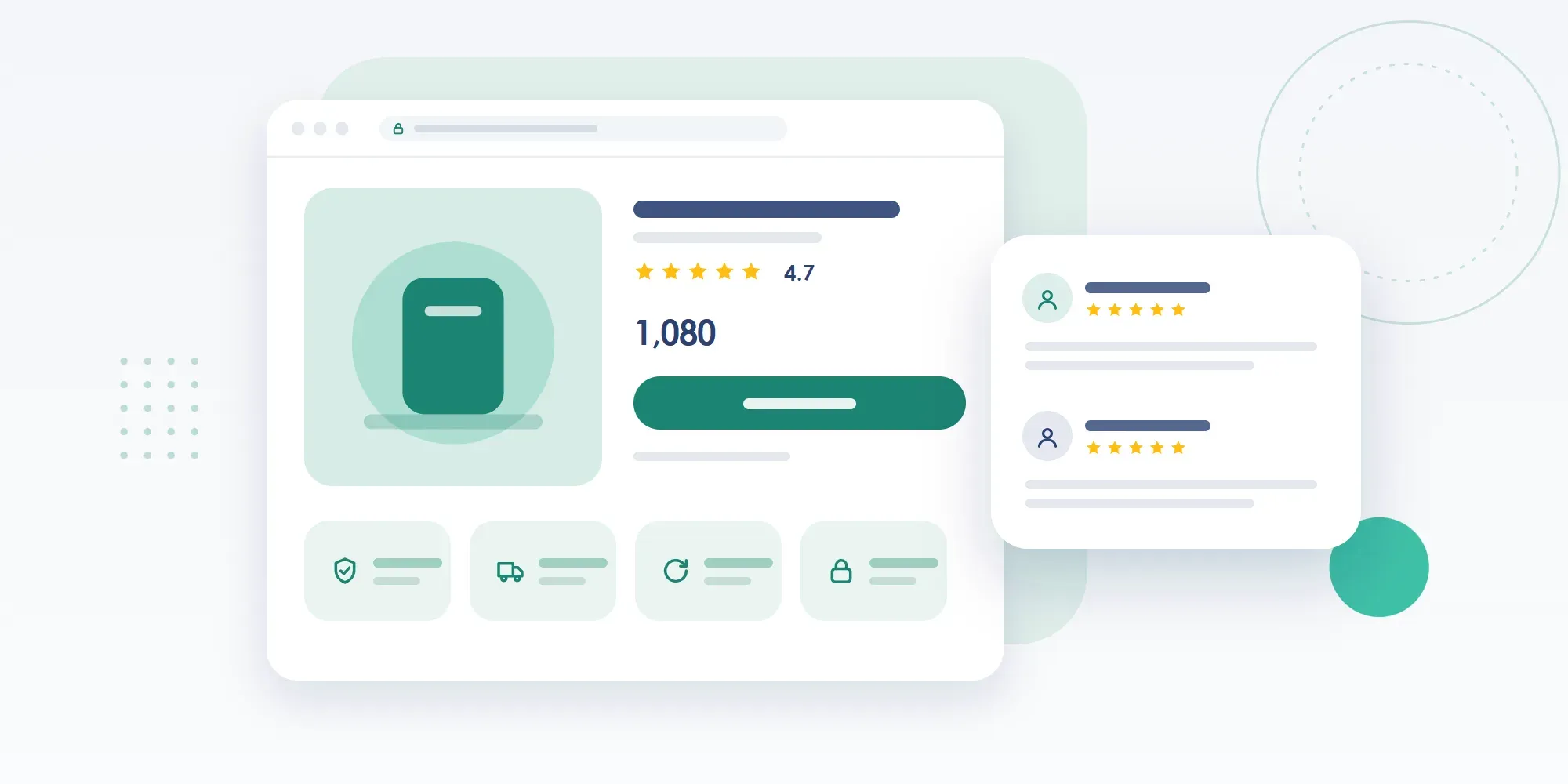
Testimonials on your own page count for very little because everyone knows you chose them. What moves an American buyer is proof that lives somewhere you do not control. Reviews on Google with enough volume to look real, including some that are not five stars. A profile on Trustpilot for consumer businesses, or on the software review sites for B2B, where the reviewer has a verified identity.
For business buyers the strongest signal is people. LinkedIn profiles for the team, with history and connections, do more for credibility than any trust badge. Named clients with permission to be named, and case studies that include what went wrong as well as what went right. A generic badge saying secure checkout does almost nothing on its own, and a row of six of them actively looks worse than none.
Policy pages are conversion pages
Most regional sites treat legal pages as an obligation and write them last. American buyers read them, particularly before a first purchase from an unfamiliar brand.
The returns policy needs a number of days in the first sentence and a description of who pays for return shipping. The shipping page needs a delivery window in days, per region. The privacy policy needs to mention how you handle data requests, and since the California privacy law came into force last year that includes an explicit route for California residents to ask what you hold and to have it deleted. Vague policy language is read as evasion, because it usually is.
Speed and stability are trust signals US buyers notice too
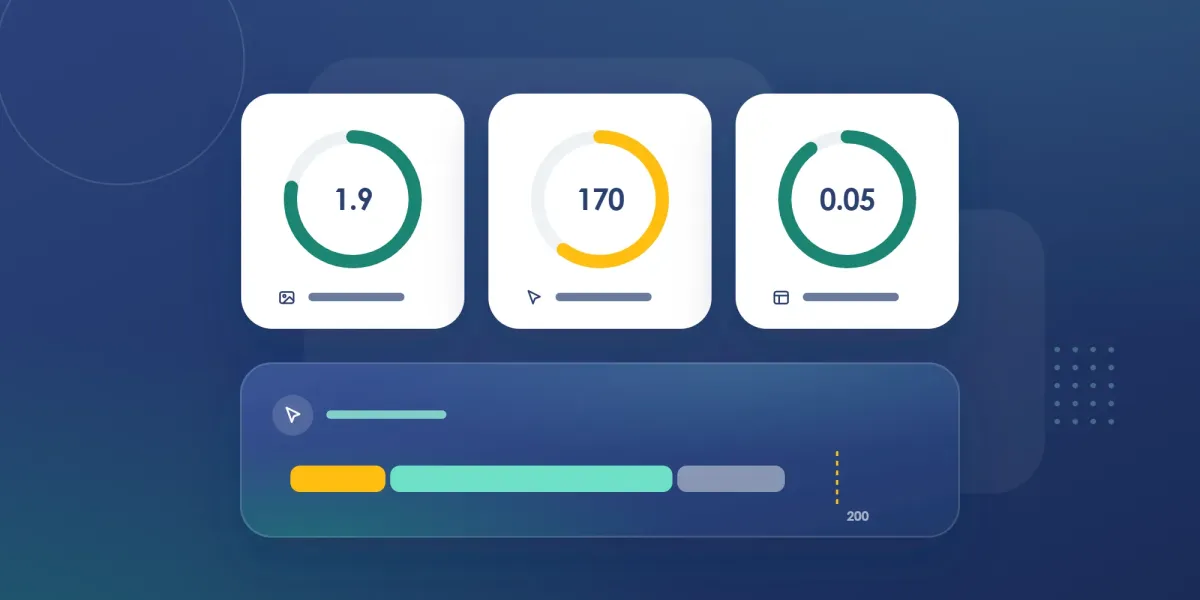
A page that loads slowly, shifts under the thumb as images arrive, or throws a mixed content warning has answered the credibility question before your copy gets a chance. Google has already said that page experience becomes a ranking factor this year, so the same neglect costs you visibility and conversion at once. Test on a mid range Android phone over mobile data, not on the office connection, because that is what most of your first time visitors will be using.
None of this is expensive. It is a morning of honest inspection followed by a short list of fixes. If you would rather have someone else run that inspection, our free site audit covers exactly these checks, and our website and app development team handles the rebuilds when the problems turn out to be structural.