The objection we hear in almost every boardroom is the same sentence: our customers are not on TikTok, that is for teenagers dancing. It was a reasonable thing to believe in 2019. It stopped being true somewhere during the lockdowns, when the app picked up an enormous wave of adult users who arrived out of boredom and stayed out of habit.
TikTok for brands: who is actually on the app now
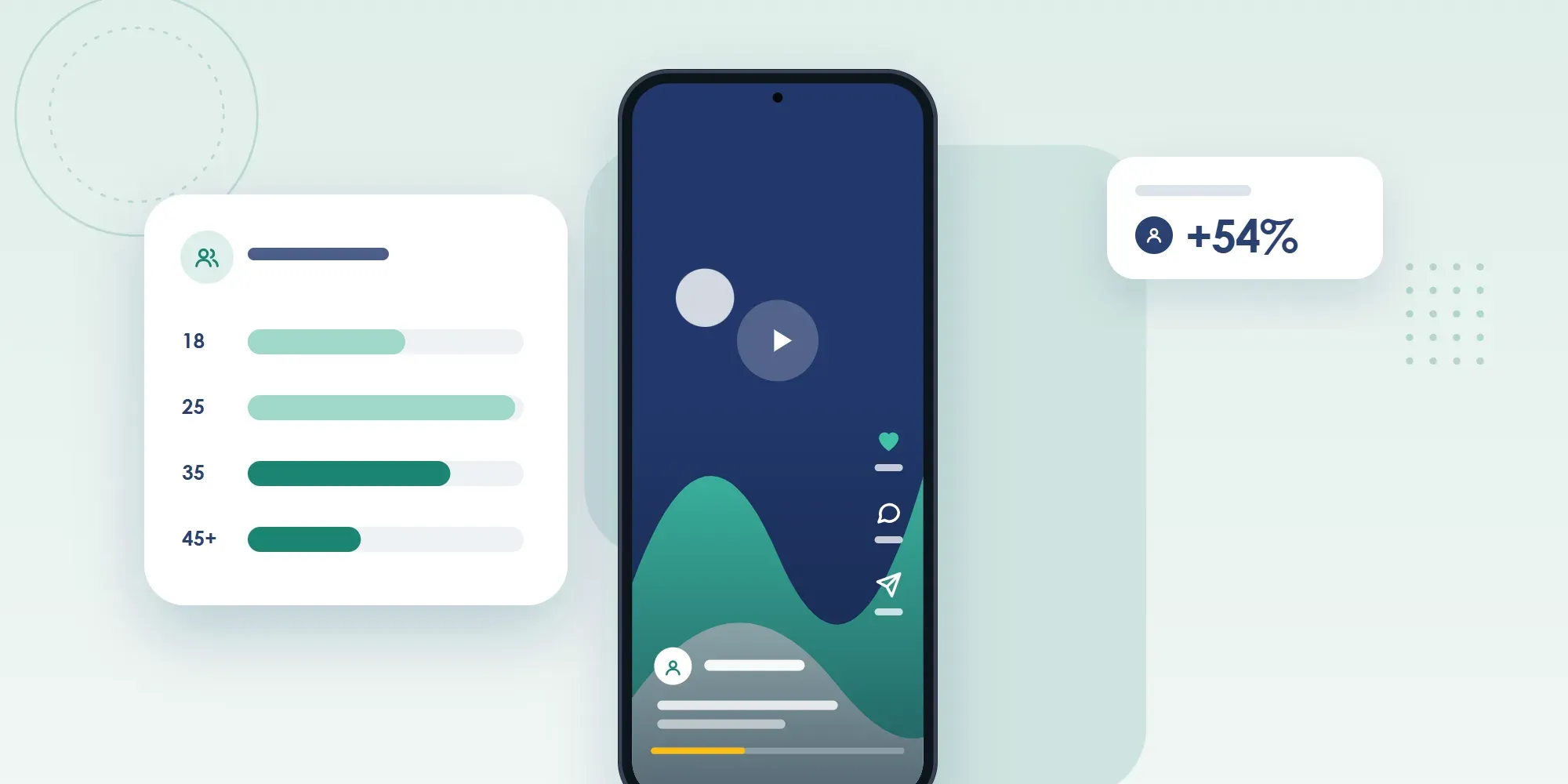
Look at the content rather than the stereotype. Recipe accounts, personal finance explainers, car reviews, home renovation, medical myth busting, small business owners showing how they pack orders. The dancing is still there, and it is now a small share of what the feed serves. In our own client accounts, the audience delivering the most conversions has consistently been between 25 and 40, not under 20.
The other thing that changed is intent. People now search inside the app the way they search on Google, especially for recommendations and how to content. That is a discovery channel, not a novelty.
Check your own audience before you spend anything
You do not have to take our word for any of this. Spend one evening inside the app with a notebook. Search the five questions your customers ask most and watch the top twenty results for each. Note who is speaking, how long the video runs and what the first sentence says. Then look at who is commenting. If people in your category are already asking for recommendations in the comments, the demand exists and nobody is answering it well. The TikTok for Business blog publishes audience and format guidance you can compare with what you see.
What worked in our first campaigns
Three formats carried almost all the results. A person explaining something useful straight to camera, with no set and no script. A behind the scenes look at how the product is actually made or delivered. And a direct answer to the question customers ask most often, filmed in under thirty seconds.
What failed was equally consistent: anything repurposed from a television advert, anything with a corporate voiceover, and anything where the first second was a logo. The platform is unusually honest about this. If the content is boring, the reach simply does not arrive.
How to start without embarrassing yourself
Do not hire a dancer. Short, specific and useful beats polished every single time. Find the most naturally watchable person in your business and give them fifteen minutes a week. Post four times a week for eight weeks before judging anything, because the algorithm needs a body of work to understand who to show you to. Watch completion rate above everything else.
If you plan to run ads later, install the TikTok Pixel on your site early, so the platform has data to learn from on day one. Treat the first eight weeks as research, the same way we treat a new Instagram or Facebook channel in Instagram engagement is falling: here is what still works. Keep a simple log of every video, its hook and its completion rate. The pattern in that log is what you will scale. A content calendar a two person team can keep up with stops the experiment from collapsing in week three.
Eight weeks and thirty two videos is a small bet against being early on a channel that is quite obviously going to matter. If you want a considered view on whether it is the right bet for your specific audience, that is the sort of question our digital marketing solutions team works through before a single video gets shot.