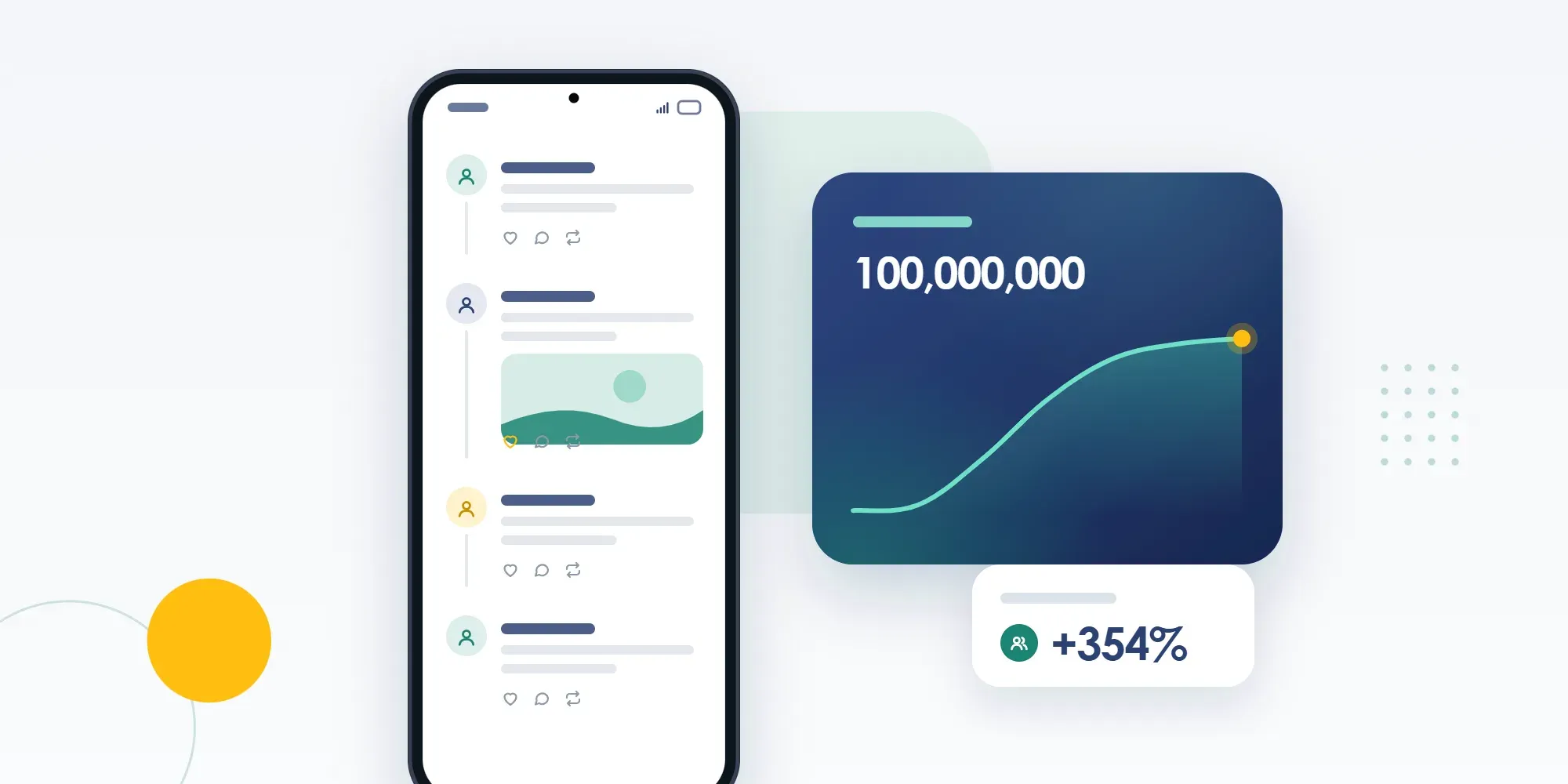
Threads passed a hundred million sign ups in five days, which makes it the fastest consumer app launch anyone has recorded. Two weeks later the engagement charts told a more familiar story: a steep drop as the novelty faded. Both facts are true, and neither answers the question a marketing team actually has.
Why the launch numbers are misleading
Threads did not acquire a hundred million users. Instagram lent them. The sign up flow imports your Instagram identity and following list in two taps, which is a brilliant distribution trick and also the reason the number means less than it looks. The real question is not how many people opened it, but how many come back on a Tuesday in November.
The missing pieces matter too: no direct messages, limited search, no way to see only the people you follow, and no launch in the European Union. Any one of those is fixable. All of them together mean the product is not finished.
Threads for brands: the case for showing up anyway
Early platforms hand out reach cheaply. Right now a brand posting on Threads gets impressions that would cost real money anywhere else, because the supply of content is low relative to the attention. Claiming your handle costs nothing. Learning the tone before your competitors do costs almost nothing. And for brands already producing conversational, text first content, the marginal cost of posting is close to zero.
The case for waiting
Every hour spent here is an hour not spent on a channel with proven revenue. If your team is already stretched across Instagram, TikTok and a newsletter, adding a fifth surface with no measurement, no ads and no clear audience is how good social teams burn out.
Our recommendation to clients this month is deliberately unexciting. Register the handle today. Post two or three times a week using content you already made, in a real human voice rather than a press release. Spend no more than an hour a week on it. Review in ninety days against one question: did anything you posted there start a conversation worth having.
Chasing every launch is not a strategy, and neither is ignoring them. If you want a channel plan that settles these questions before the hype cycle does, that is what our social media strategy and management engagements are for.