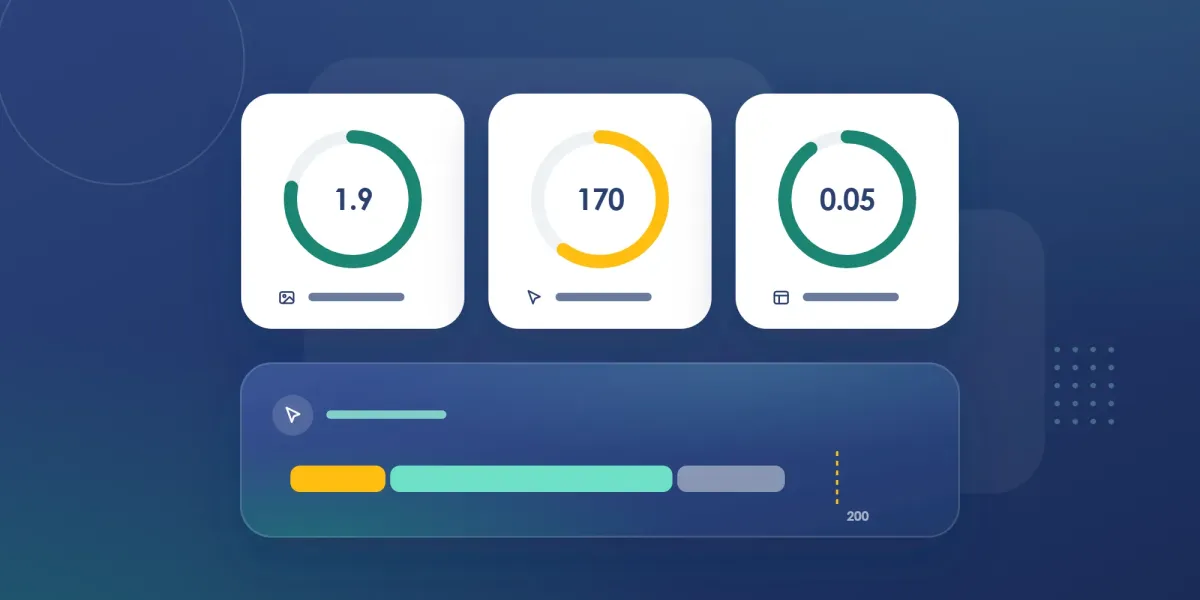
Google has started rolling out the page experience update, which folds Core Web Vitals into ranking alongside mobile friendliness, HTTPS and the absence of intrusive interstitials. The rollout is gradual and finishes later this summer. Before anyone panics: this is a tiebreaker signal, not a replacement for relevance. A slow page with the best answer will still outrank a fast page with a worse one.
The three metrics, in plain language
Largest Contentful Paint asks how long until the main thing on the page appears. Target under 2.5 seconds. First Input Delay asks how long until the page responds to the first tap. Target under 100 milliseconds. Cumulative Layout Shift asks how much the page jumps around while it loads. Target under 0.1, which in practice means images and ads with reserved space.
Field data decides your score, not lab tools. That means real visits from real devices, which for most Egyptian sites means mid range Android phones on mobile data rather than the laptop the developer tested on.
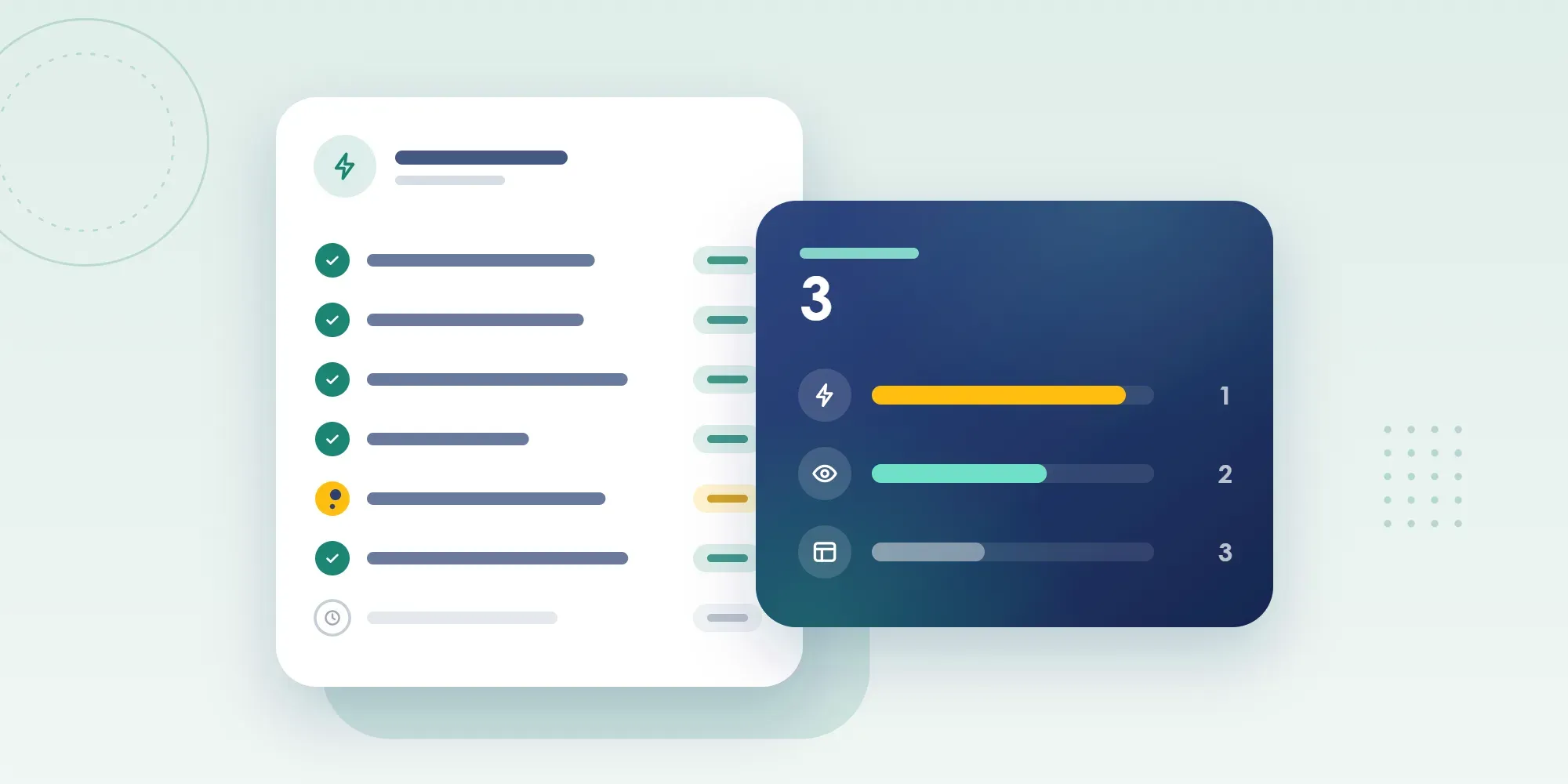
The triage order we use
First, layout shift, because it is usually the cheapest to fix and the most annoying for users. Set width and height attributes on every image, reserve space for ads and embeds, and stop injecting banners above existing content. Second, Largest Contentful Paint, which is almost always a hero image that is too heavy or a font that blocks rendering. Compress, serve modern formats, preload the hero, and let text display while the font loads. Third, input delay, which on marketing sites is nearly always third party JavaScript. Audit the tag container and delete what nobody reads.
What to ignore
Chasing a perfect score in a lab tool. Rebuilding the entire site because one metric is amber. And anyone selling a plugin that promises to fix Core Web Vitals in one click, because performance is a property of how the page is built, not something you can bolt on afterwards.
Do the triage, measure the field data again in four weeks, and move on to the content work that actually wins rankings. If the audit shows the template itself is the problem, our website and app development team can tell you honestly whether a fix or a rebuild costs less over two years.