The most common request we get from a business that has found something working is to do more of it. Perfectly reasonable, and it is where a lot of good accounts come apart. Budget goes up forty percent, returns go down thirty, and the conclusion drawn in the room is usually that the media buyer got worse. They did not. The account ran out of the cheapest demand and started paying for the next tier.
Diminishing returns is a market problem, not a settings problem
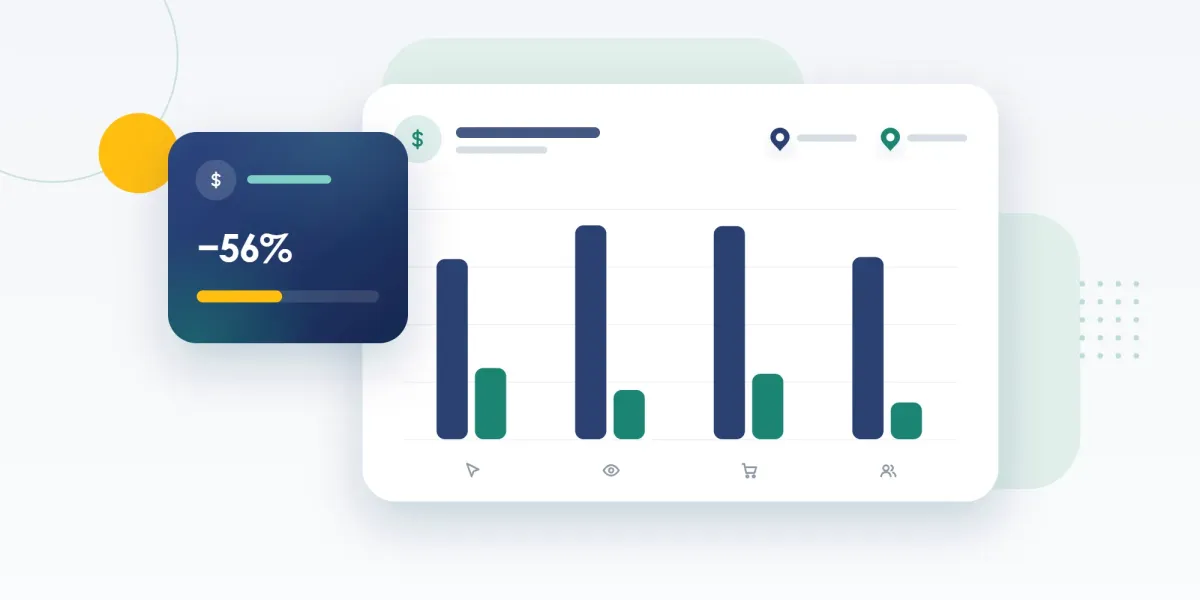
Every audience contains a small group of people who were nearly going to buy anyway, a larger group who could be persuaded, and a very large group who will not. Early spend reaches the first group, which is why the first month of a well built account so often looks miraculous. Scaling means buying your way into the second group, and they cost more by definition.
No bidding strategy repeals that. What good management does is flatten the curve, by widening the pool of persuadable people faster than you exhaust it. That is a creative, offer and market coverage problem far more than a media buying one.
Move in steps, and watch the marginal number
Increase budget in steps of roughly twenty percent and give each step long enough to clear the learning period, usually one to two weeks depending on conversion volume. Jumping a campaign from fifty thousand pounds a month to two hundred thousand overnight resets the machine learning and buys a fortnight of expensive confusion.
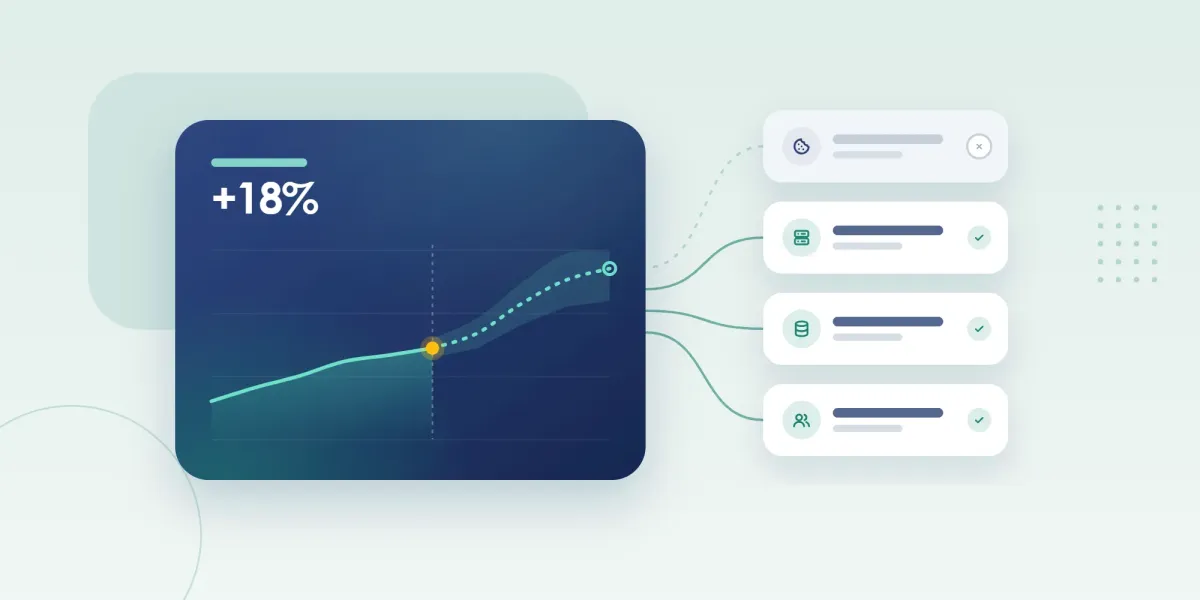
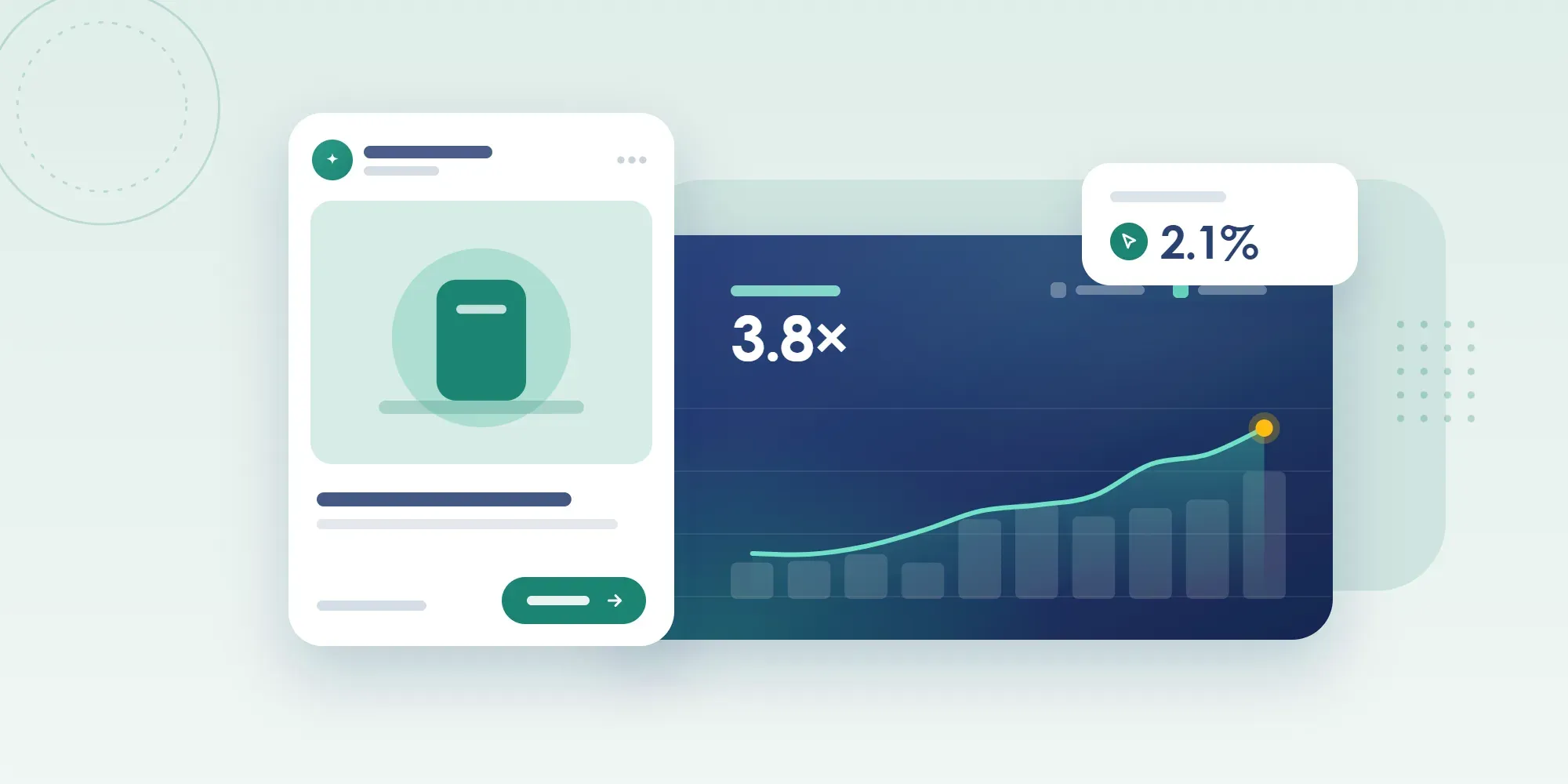
More importantly, stop judging the increase on average return. The average is dragged upwards by the efficient spend you were already making. The question is what the extra money bought, so compare the two weeks before the increase with the two weeks after: extra revenue divided by extra spend. That marginal figure is almost always far below the average, and it is the only one that tells you whether to take the next step. We have watched accounts with a comfortable looking blended return of 4 times discover that their most recent budget increase was returning under 1.5.
Where the next unit of money should actually go
When the marginal return on the current campaign drops below your break even, adding budget to it is the worst available option. Four alternatives usually beat it.
Creative supply is the first and most underrated. Frequency is the quiet killer at scale, and the fastest way to lower it without lowering spend is more distinct concepts in rotation. Second, geographic expansion. An Egyptian brand that has saturated Cairo and Giza often finds Alexandria, the Delta cities and the Gulf expatriate audience materially cheaper, provided the delivery promise holds up there.
Third, a new channel, entered properly rather than as a token test. Fourth, and hardest to sell internally, upper funnel work that will never attribute cleanly. If the persuadable pool is what limits you, spending to enlarge it is the only structural fix, and the payback shows up months later in branded search and direct traffic rather than in this month’s campaign report.
Protect the offer while scaling ad spend
One last trap. Many teams try to buy their way out of a flattening curve with discounts, which lifts volume, wrecks contribution per order and trains the customer base to wait for the next sale. Scaling on margin is slower and it is the only version that leaves a business behind.
Deciding when to push, when to hold and where the next pound is genuinely worth more is the ongoing job in our paid media advertising and planning engagements, and it is a monthly conversation rather than an annual plan.