Most reporting dashboards in 2026 are quietly wrong. Not broken, wrong. They show a number that looks like a count of conversions but is actually a blend of observed events, modeled estimates and platform guesswork, and almost nobody can tell you the ratio. That is a dangerous way to spend money.
Measurement without cookies starts by separating what you see from what you infer
We split every client report into three tiers. Tier one is server side truth: orders in the commerce database, deals in the CRM, calls that connected. Tier two is observed digital signal: server side events we send ourselves with a first party identifier. Tier three is modeled attribution from the ad platforms. Tier one is the scoreboard. Tier three is a steering wheel, useful for deciding where to push tomorrow, useless for telling the finance team what happened last month.
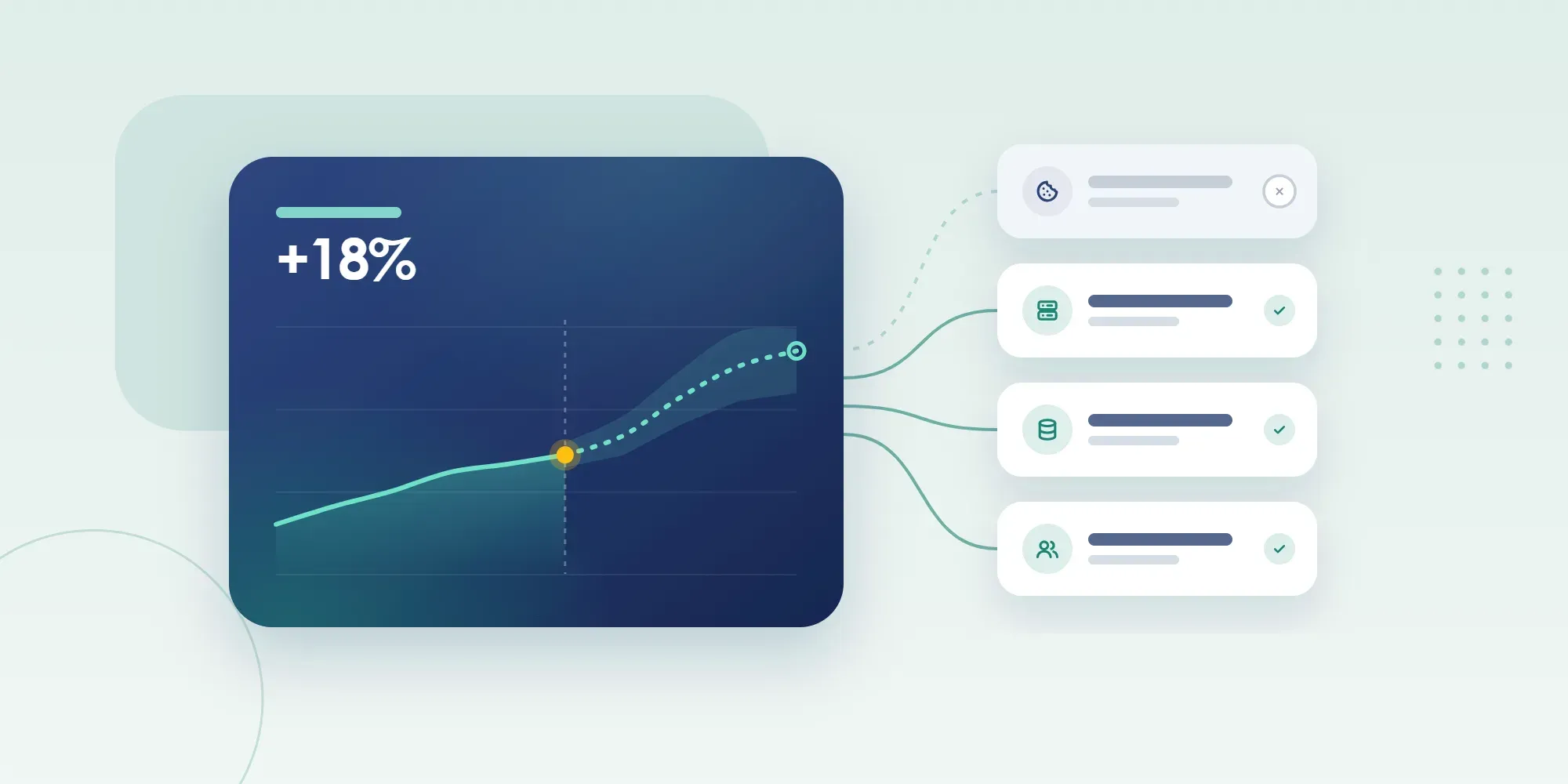
The single highest value change we make on a new account is moving conversion tracking server side and stamping every event with a stable first party identifier at the point of purchase. Match rates on our accounts sit around 80 to 90 percent after that work, against 55 to 65 percent when we inherit browser only tracking. That gap is not a reporting detail. It is the difference between the algorithm learning from your best customers or from a random half of them.
Geo holdouts are the only honest referee
Once a quarter we switch a channel off in a matched set of governorates or states and leave it off for three to four weeks. Revenue in the test regions versus the control regions gives an incrementality read that no attribution model can argue with. Twice this year that test showed a channel taking credit for demand it did not create. Both times the reallocation paid for the whole engagement.
Report on a ratio, not a mystery
Our monthly deck now leads with blended cost per acquisition: total media spend divided by total tier one conversions. It is crude, it does not flatter any single channel, and it is impossible to game. Under it we show the modeled platform view, clearly labeled as modeled, so nobody confuses the two.
Measurement got harder, not impossible. It just stopped being free. If you want a read on how much of your current reporting is inference, the free audit includes a tracking teardown and a match rate estimate for your accounts.