Ask a founder in Cairo which payment methods the store accepts and you get a confident list. Ask what share of orders each one actually carries and the room goes quiet. That second number is the one that should be driving the checkout design, because the payment mix in this market looks nothing like the mix the average e-commerce platform was built around.
Payment methods and checkout in Egypt: the mix, honestly
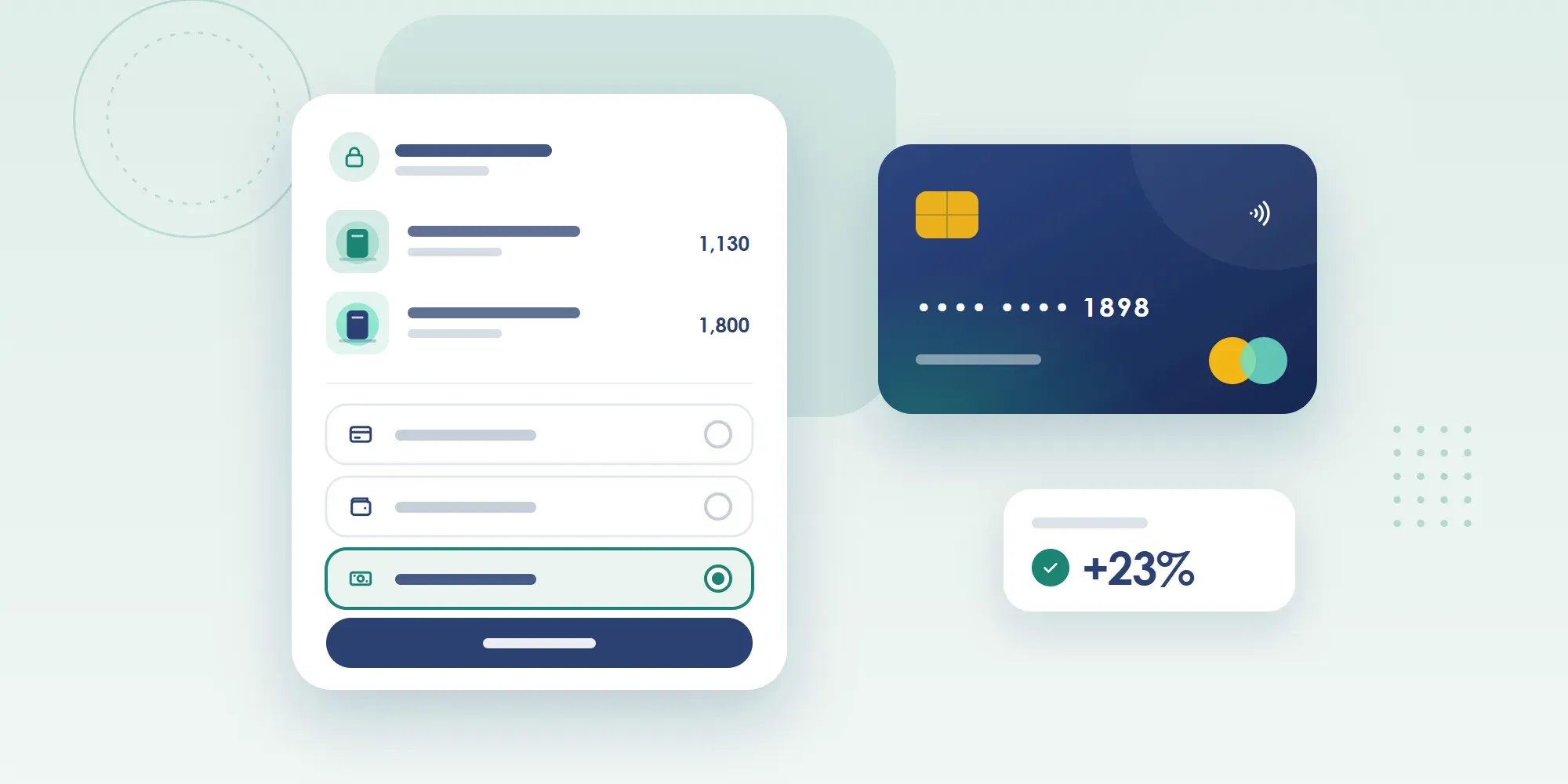
Across the retail clients we work with, cash on delivery still takes the majority of orders, commonly somewhere between 55 and 75 percent depending on category and basket size. Cards take most of the remainder, skewed heavily toward higher value baskets and toward Cairo and Alexandria. Instapay, which arrived last year and grew faster than almost anyone predicted, is now a genuine line in the mix rather than a curiosity, particularly among younger buyers who will happily transfer to a verified account and send the screenshot. Mobile wallets and Fawry references serve the large segment that has money but no card. Buy now pay later providers have moved from novelty to expectation on anything above a few thousand pounds.
Meeza cards changed the picture as well, because a large number of people who never held a card now hold one through a bank or government program. They behave differently from credit card holders: smaller baskets, more caution and more declines.
Why card payments fail here more than they should
The technical failure rate on online card payments in Egypt is genuinely high, and most of it is not the customer changing their mind. Three problems account for most of what we see. One time passwords that arrive late or never, especially on congested mobile networks. Bank authentication pages that expire while the shopper switches apps to read the code. And issuing banks declining unfamiliar merchants by default, which no amount of design work can fix from your side.
The mitigations are unglamorous. Keep the customer on your own domain until the last possible step. Never clear the form when a payment fails. Offer an immediate retry with a different method rather than dumping the shopper back at an empty cart. And instrument the failure properly, because if your analytics cannot distinguish a declined card from an abandoned basket, you are optimizing blind.
Designing the checkout for this mix
Put the payment options on the product page, not only at the end. A shopper deciding whether to trust you wants to know cash on delivery exists before investing ten minutes. Show the installment figure next to the price on anything expensive, because a lot of buyers make the decision on the monthly number rather than the total.
Never force account creation. Ask for the governorate early so the shipping cost and delivery window are visible before the final step. Keep the phone field required and formatted for local numbers, since that is the field your operations team depends on for confirmation calls. And show the full total including shipping before the last click, because a surprise at that exact moment is the most reliable way to lose an order you had already won.
Make prepayment worth choosing
Cash on delivery costs real money: return trips, refused parcels, tied up stock and a working capital cycle measured in weeks. Rather than removing the option, which simply removes the customer, make the alternative attractive. A small discount for paying online, free shipping above a threshold when prepaid, or priority dispatch will move a meaningful share of orders across. In our experience that is somewhere between five and fifteen points of order share within a couple of months.
Do the arithmetic before setting the incentive. If a failed cash delivery costs you ninety pounds all in, a twenty five pound prepayment discount is obviously worth paying for. Most stores have never calculated that number, which is why the incentive is usually either missing or far too generous.
Checkout is where the cheapest remaining wins in Egyptian e-commerce sit, and they are engineering problems more than marketing ones. That work belongs to our website and app development team, who build stores around how this market actually pays.