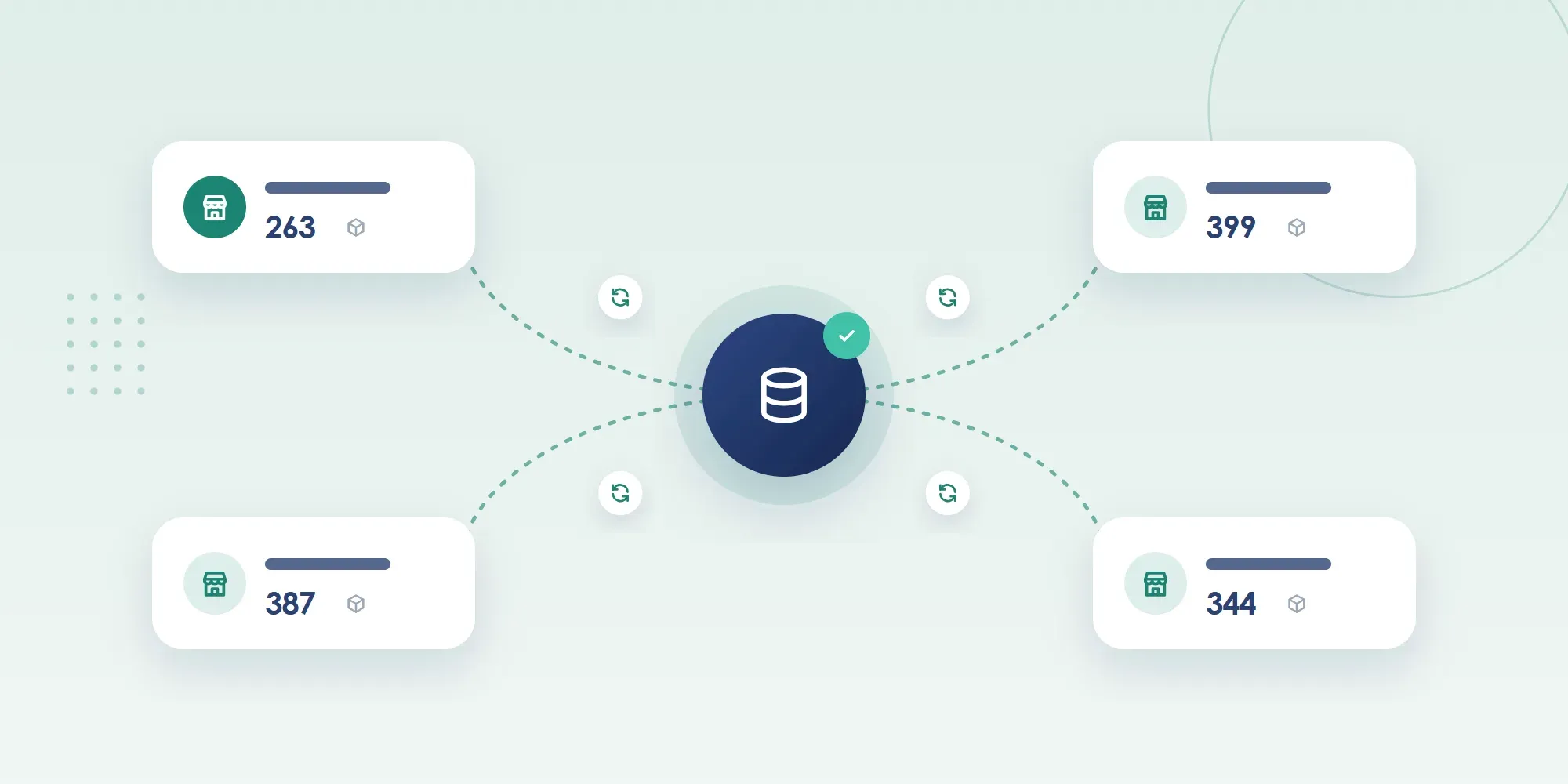
A retailer with one shop has an inventory question. A retailer with six shops, a warehouse in Obour and an online store has an inventory problem, and the difference is not arithmetic. It is that stock now moves between places, and every movement is an opportunity for the record and the reality to separate.
Design inventory and branch sync for the connection you actually have
The most common architectural mistake we see is a point of sale system that requires the internet to sell. A branch in a mall basement, a unit in Upper Egypt on a congested link, a shop during a scheduled power cut: the connection will drop, and if the till stops taking money when it does, the system has failed at the only job that matters.
Build offline first. Transactions queue locally, sync when the link returns, and any conflict surfaces to a human rather than being silently resolved by whichever record arrived last. Then decide deliberately what each branch is allowed to do while disconnected. Selling from local stock, yes. Issuing a refund against a purchase made at another branch, probably not.
Count movements, not just quantities
Stock transfers must be two steps. Dispatched from the sending location, received at the destination, and the gap visible as goods in transit until somebody confirms. Single step transfers, where stock teleports the moment a manager clicks a button, hide every loss between the two doors and make shrinkage impossible to locate.
Replace the annual shutdown stocktake with weekly cycle counts by category. Twenty lines counted every Tuesday finds a problem within days rather than eleven months later, and it does not cost you a trading day.
Then write down who owns the last unit. When the website and the shop floor can both sell the same item, you need an explicit reservation rule: online orders hold stock for a set number of hours, walk in customers take priority in the branch, and the buffer is a number somebody chose rather than an accident.
Returns need their own treatment. On cash on delivery orders in fashion and accessories, a meaningful share of what leaves the warehouse comes back, sometimes a week later and often not in sellable condition. Returned goods should land in a quarantine location, be inspected, and only then be released back to sellable stock. Retailers who skip that step spend the year selling items they do not have.
Ramadan and Eid break your averages
Reorder points calculated from a trailing ninety day average will understock you every single year in this market. Grocery, confectionery and home goods surge in the fortnight before Ramadan. Apparel and footwear peak in the last ten days before Eid, and trading hours shift so far into the night that a delivery schedule built for daytime traffic falls apart.
Use the same period last year as the planning curve, adjusted for growth, and set the buying calendar backwards from it. That single change usually does more for availability than any reorder algorithm.
None of the above is exotic. It is discipline expressed in software, and it is what our ERP and inventory systems work is built around for multi branch retailers who cannot afford to guess what is on their own shelves.