Every e-commerce measurement guide written outside this region assumes the same thing: the customer pays at checkout, so the conversion event and the money arrive together. In Egypt they do not, because cash on delivery splits them apart. The majority of online orders in most categories are still settled in cash at the door, which means the conversion your pixel fires is a request for goods, not a sale.
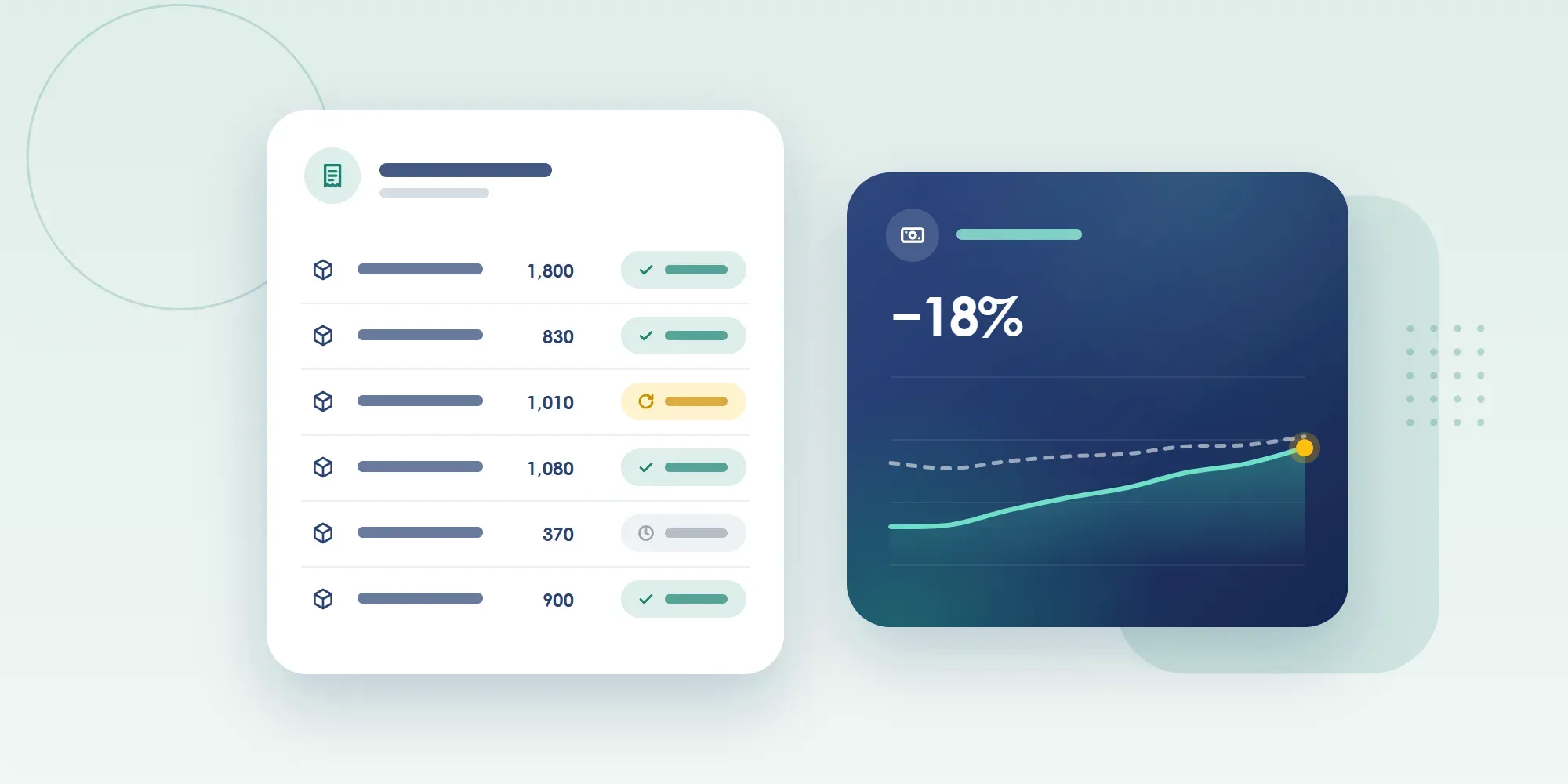
Between the click and the cash there is a courier, a phone call the customer may not answer, and a person at a doorstep who is entitled to change their mind. Depending on category and courier, somewhere between ten and thirty percent of those orders never become revenue. Your dashboard has already counted every one of them.
What cash on delivery actually breaks
Three things, and they compound. Your reported return on ad spend is inflated by exactly the refusal rate, so decisions about which campaign to scale are being made on a number that is systematically too kind. Worse, the inflation is not evenly spread. Cheap traffic from broad prospecting almost always carries a higher refusal rate than remarketing or search, so the campaigns that look most efficient on screen are frequently the least efficient in the bank.
Second, the bidding algorithms learn from the same corrupted signal. Optimize for purchases and the platform diligently finds you more of the people most likely to place an order, which is not the same population as the people most likely to accept and pay for one.
Third, the finance team stops trusting marketing reporting altogether, and once that trust goes the budget conversation gets much harder every quarter after.
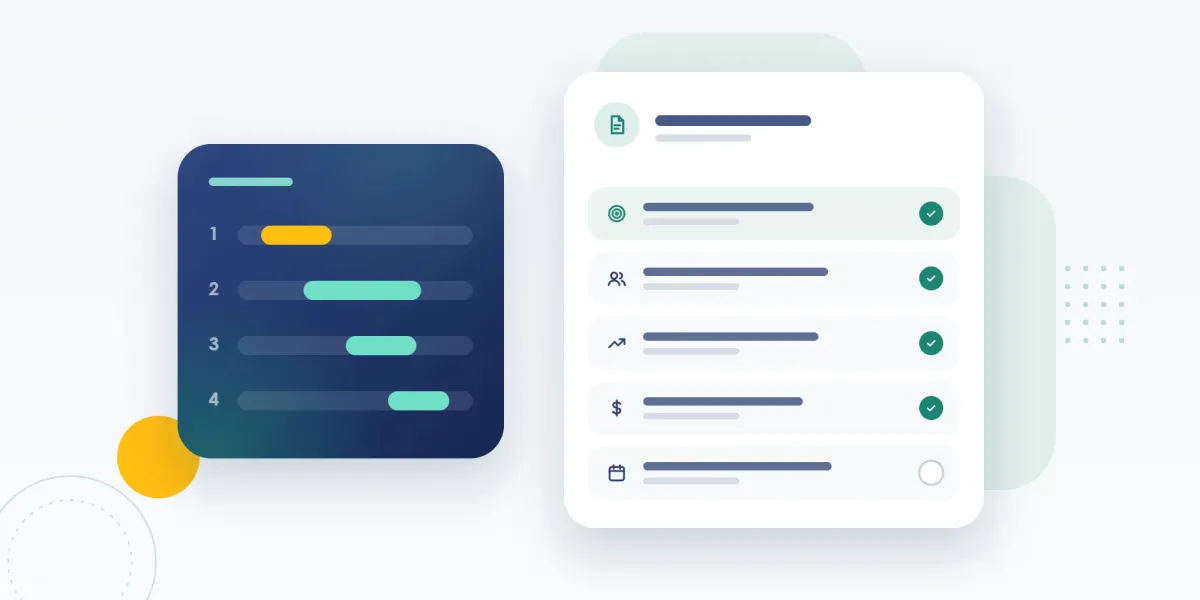
The fix, in three steps
Step one, stamp every order with an identifier at checkout and store the advertising click identifier alongside it in your own database. Without that key nothing downstream is possible, and it is a small piece of development work rather than a project.
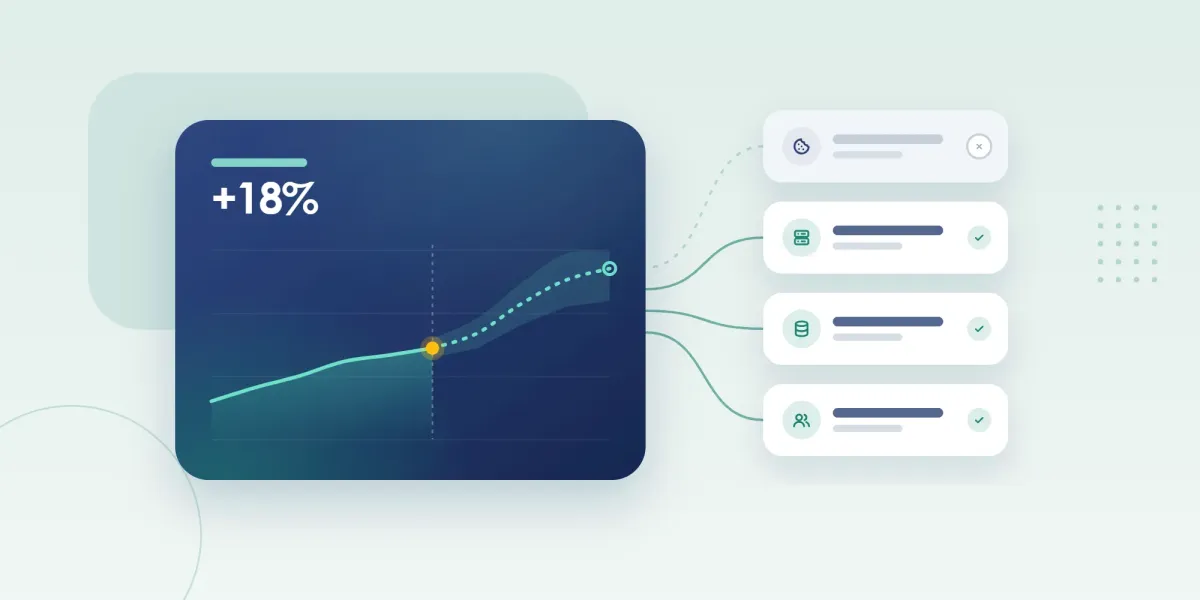
Step two, upload the outcome once you know it. When the courier confirms delivery and payment, send that back as an offline conversion tied to the original click. Both major platforms accept offline event uploads and both will use them for bidding. Run it as a weekly job matched to your courier reconciliation, and set the conversion value to what you actually banked, net of the return trip cost on refused orders.
Step three, change what you optimize for. Once delivered orders are flowing back, move the campaign objective onto that event rather than the checkout event. The population the algorithm chases changes, and so does the quality of the customer it finds. Expect the reported conversion count to fall and the profitability to rise.
While you are there, reduce the refusals
Measurement tells you the size of the problem. Operations shrink it. A confirmation message or call within an hour of the order, sent on WhatsApp because that is where Egyptian customers actually reply, cuts refusals noticeably. A realistic delivery window stated on the product page cuts them again, because a good share of cancellations are impatience rather than regret. Offering even a small discount for paying online moves a slice of orders into prepayment, and every one of those is a clean signal as well as guaranteed cash.
None of this is exotic. It is a database field, a weekly upload and a confirmation message. It is also the difference between an account that looks profitable and one that is, which is why it is among the first things our paid media advertising and planning team sets up on any Egyptian retail account.