We pulled six months of Search Console data across fourteen client properties to answer one question honestly: how much traffic did AI Overviews actually take, and from whom. The headline is less apocalyptic and more specific than the panic suggested.
Who lost clicks to AI Overviews
Definitional and informational queries took the hit. Anything shaped like “what is”, “how does X work” or “difference between” lost between 18 and 41 percent of clicks at unchanged average positions. The ranking did not move. The click did. That makes sense, because those queries have a short answer and the answer is now on the results page.
Listicle content aimed at the top of the funnel fell hardest. If your traffic model depended on ranking for questions that can be answered in two sentences, this year rewrote your business plan.
Who held or gained
Three categories were basically untouched. Transactional queries, because nobody buys from a summary. Local intent, because people still want a phone number, a map pin and opening hours. And anything requiring a judgment call, comparison of specific options in a specific context, pricing for a specific situation, or a decision with money attached.
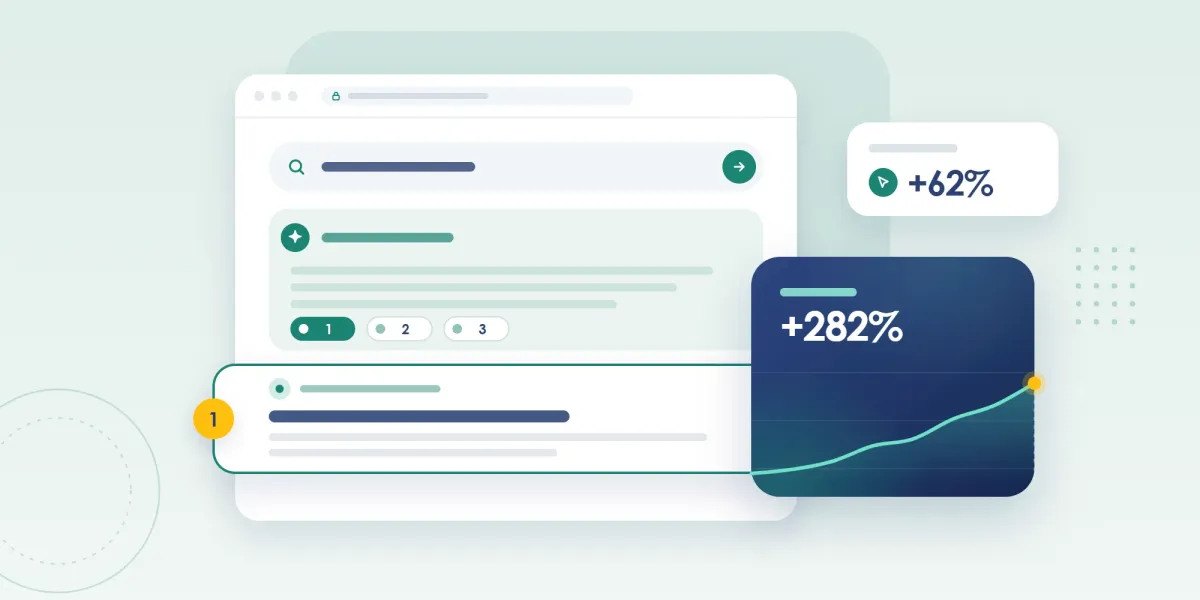
A fourth group actually gained: pages carrying original data. Two clients publishing their own benchmark numbers saw impressions climb because the overview cited them, and the citation itself drove qualified traffic from readers who wanted the underlying study. Being the source is the new position zero.
What we changed in response
We stopped commissioning content that answers questions in under 100 words, because that content now works for Google and not for you. We moved budget into original research, comparison pages, calculators and anything with proprietary numbers in it. We rewrote intros so the direct answer sits in the first paragraph, which raises the chance of being the cited source rather than the ignored one. And we changed reporting to lead with conversions from organic instead of sessions from organic, because two clients whose sessions fell 20 percent had their best revenue quarter on record.
Lower traffic with higher intent is not a crisis. It is a different business, and it favors anyone willing to publish something a summary cannot replace. That shift is baked into how our SEO services plan content now: fewer pages, harder to copy, tied to revenue rather than to volume.