There is a version of the Egyptian online shopper who exists mainly in pitch decks: mobile first, card in hand, buying in three taps. The real one browses on a phone at eleven at night, asks a question on WhatsApp, waits two days, checks whether anyone she knows has ordered from you, then pays the courier in cash. Both of them convert. Only one of them is worth designing for.
How Egyptian consumers buy online: discovery in the feed, research in the chat
Very few people in this market discover a new product by typing a category into a search engine. Discovery happens in the feed, in a story, in a group, or in a comment under someone else’s post. Search arrives later, and when it does it is usually the brand name plus a word like review or price, because the shopper has moved from exploring to verifying.
Then the conversation moves to chat. Direct messages and WhatsApp are where the real questions get asked. Is this the actual color. Do you have it in large. How long to Mansoura. Can I see another photo of the back. Businesses that answer inside minutes close orders that businesses with a contact form never hear about again. This is not a supplementary channel. For a good number of our clients it carries more revenue than the website does, which is uncomfortable for anyone who has just paid for a website.
The decision takes days, and the price is checked twice
The devaluation in March and the inflation that followed reshaped the funnel more than any platform update this year. Baskets got smaller, consideration got longer and comparison got more aggressive. Shoppers who used to buy on the first visit now leave, check two marketplaces, ask in a Facebook group, and come back four days later if they come back at all.
Three practical consequences follow. Retargeting windows built for a two day cycle are now too short and quietly stop reaching the people who were always going to buy. A price shown without an installment option loses buyers who could comfortably afford the monthly figure. And an abandoned cart here is frequently not abandonment, it is a pause, so the follow up should read like a useful reminder rather than a panicked discount that trains everyone to wait.
Trust is assembled from small signals
Egyptian shoppers are careful for good reasons and they look for the same handful of proofs every time. A phone number a human answers. Photographs of the product as it actually arrives rather than a supplier render. Reviews with names and dates on them. A returns policy in plain language. A delivery estimate by governorate instead of a vague national promise.
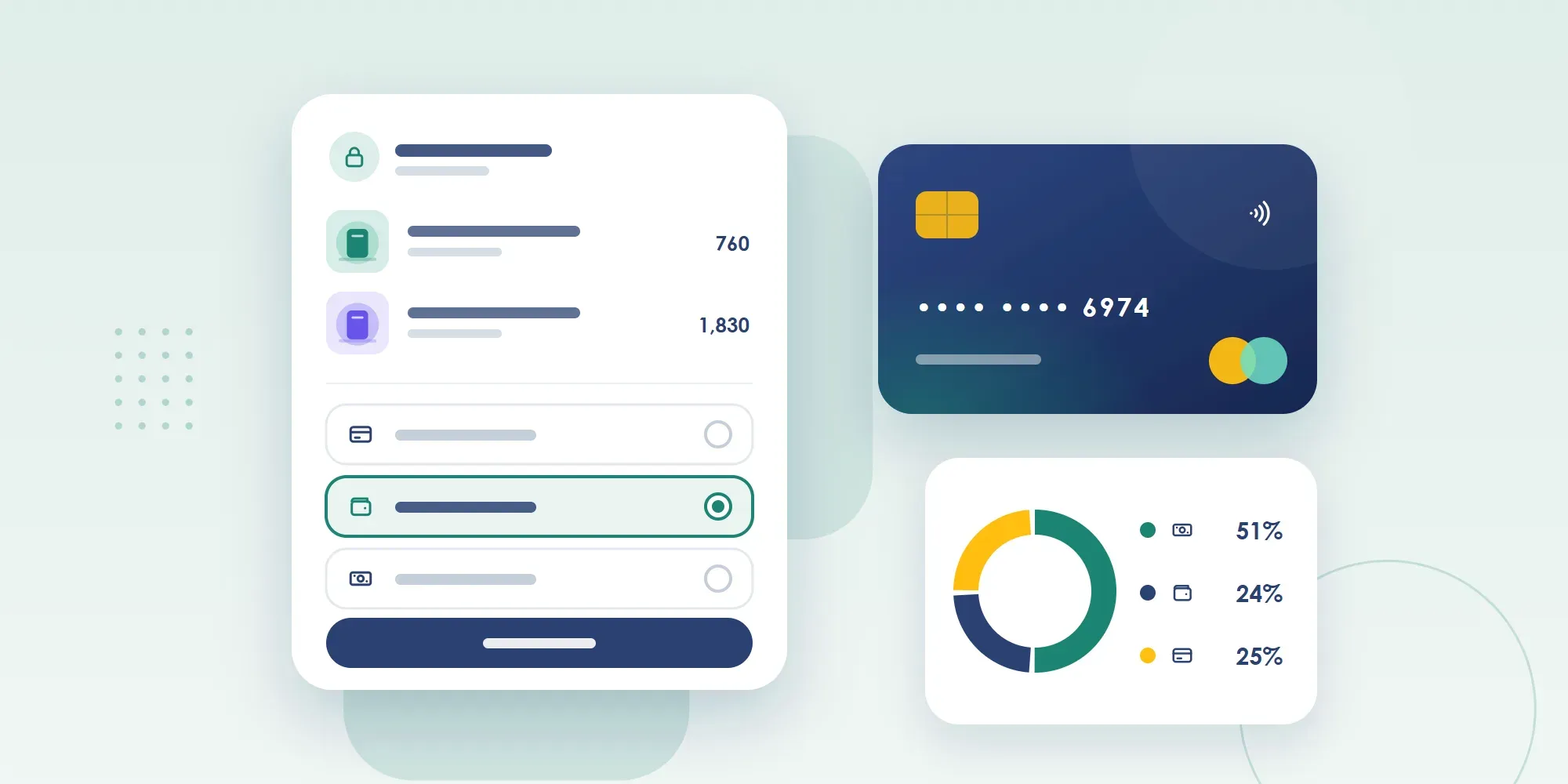
Cash on delivery is the largest trust signal of all and it is not disappearing because a founder finds it inconvenient. Roughly two thirds of the orders our retail clients take are still settled at the door. The workable answer is not to remove the option, it is to make prepayment more attractive with a small discount, and to confirm every cash order by phone or message before dispatch so the courier is not carrying a parcel nobody intends to accept.
What this means for the site
Build for the slow, careful, mobile buyer and the fast one gets served automatically. Put delivery time and payment options above the fold on the product page. Make the chat link as prominent as the buy button. Keep checkout on one screen and never force account creation. Show the total including shipping before the last step.
Most of the revenue lost in this market leaks between interest and payment rather than at the top of the funnel. If you want to see where yours leaks, the free audit walks the whole path, and our website and app development team rebuilds the parts that cannot be patched.