The question arrives in the same shape almost every time. A company has outgrown its systems, a developer or an internal IT lead says building something tailored would be cheaper and a better fit, and a vendor across town says their platform does everything already. Both are selling. Here is the framework we use to decide, and it turns on regional constraints more than on technology.
Off the shelf wins more often than founders expect
The established platforms operating in Egypt and the wider region cover the realistic range. Odoo has the largest local partner base and the cheapest entry point. Microsoft Dynamics 365 Business Central and SAP Business One dominate the mid market for distributors and manufacturers. Zoho appears in lighter service businesses, and several Egyptian vendors compete hard on payroll and tax compliance specifically.
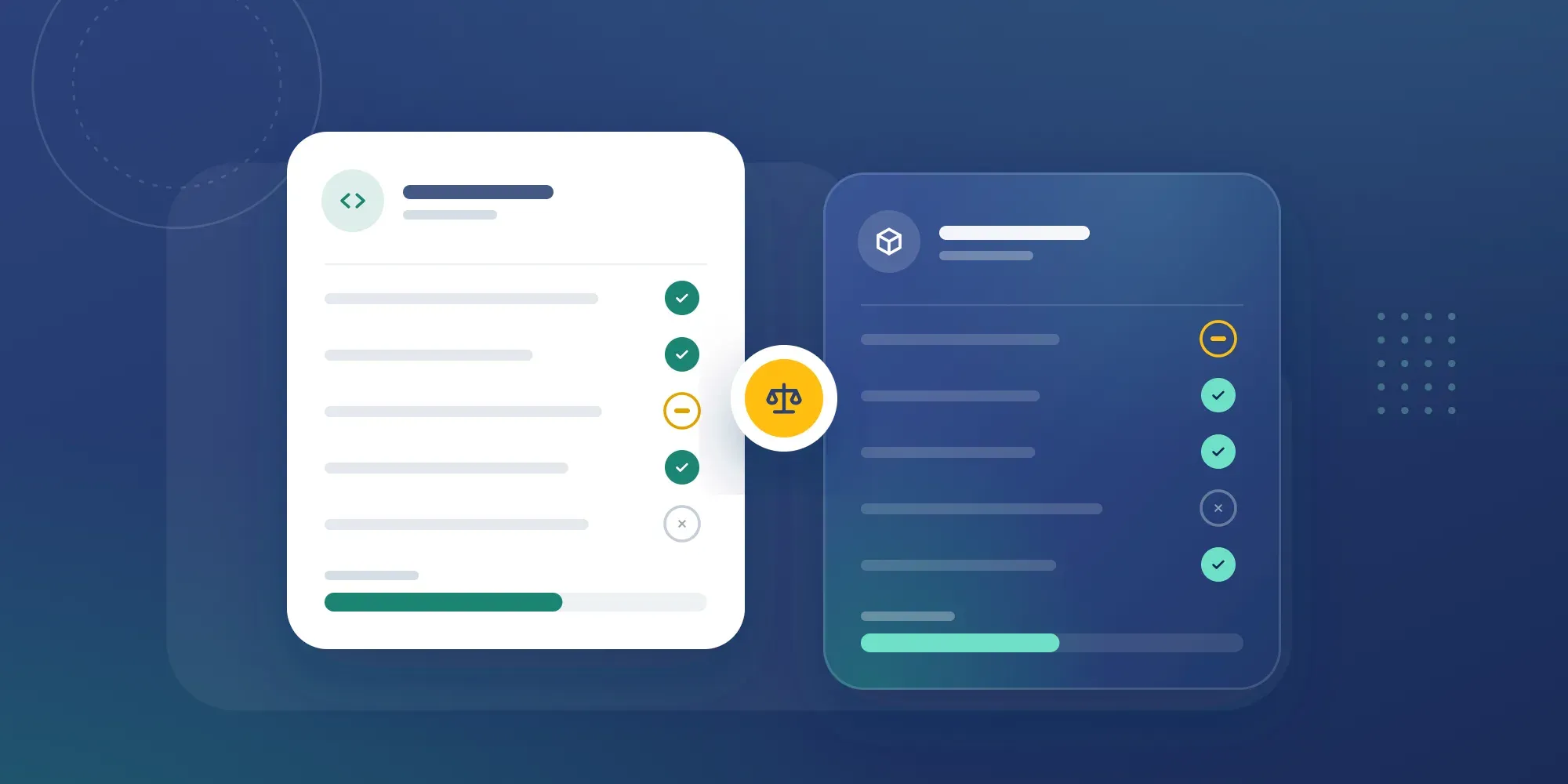
Five tests separate them, and none of them appear on a feature grid. Does Arabic actually work on the screens your users will touch every day, not on the marketing site? Is electronic invoicing and receipt submission to the Egyptian Tax Authority handled and maintained by the vendor, or will it become your problem at every regulation change? Are local payroll, social insurance and tax tables updated by somebody other than you? Does multi currency handle revaluation properly, because the pound will move again? And is there an implementation partner within driving distance who will still exist in five years?
That last point sinks more projects than any missing feature. A brilliant platform with no serious local partner means every configuration change becomes a support ticket in another time zone.
When custom is genuinely the right call
Build when the process is the product. A logistics operator whose routing and settlement logic is the reason customers stay. A subscription or consignment model that no standard order module expresses without ten workarounds. A field service business where the app in the technician’s hand is the actual service being sold. In those cases the standard system forces you to be more ordinary than your customers pay you to be, and that is a real cost.
Build also when the honest requirement is an orchestration layer. Plenty of companies already run four systems that work individually, and what they need is a connective application and a single view, not a replacement for all four.
Do not build because your business feels unique, because it usually is not, and the parts that genuinely are unique are rarely in the general ledger. Do not build because license fees look expensive, because over five years custom is almost always the higher number once maintenance, security patching and the risk of your two developers leaving are priced in. And do not build because of one missing feature. That is a module, not a platform.
Custom ERP or off the shelf: the hybrid most mid sized companies end up with
Standard core, custom edges. Ledger, stock, purchasing and payroll on a supported platform. Custom applications on top where you differentiate: a sales rep app that works offline in a delivery van, a customer portal, a driver app, a dashboard your operations team actually reads. The governing rule is that you never customize the core so heavily that you cannot take an upgrade, because a frozen ERP starts dying the day it is installed.
Price the decision over five years, not one, and include the cost of your own people. Then choose the option you can still change your mind about. If you want that comparison written up against your actual processes rather than a brochure, that assessment is where our ERP and custom business application engagements begin.