
Somewhere on a shared drive in almost every company we work with sits a beautifully produced brand guidelines document, ninety pages long, opened twice since the day it was delivered. It is not a bad document, but it is not a design system either. It is simply the wrong format for the person who has to publish something in the next hour, and that person is the one who decides what your brand looks like in public.
Why the guidelines document dies
Three reasons, and they are always the same. It is written as prohibitions rather than provisions, so it tells a marketing coordinator what not to do without handing them anything they can use. It lives in a file format nobody has open during the working day. And it addresses situations that do not come up while ignoring the ones that come up hourly, which is why it has four pages on minimum clear space around the logo and nothing at all about how a promotional Instagram story should be laid out.
The result is predictable. People improvise, they screenshot the logo off the website because they cannot find the file, they pick whichever blue looks about right, and within a year the brand exists in a dozen slightly different versions that nobody chose.
Build the design system for the person with an hour
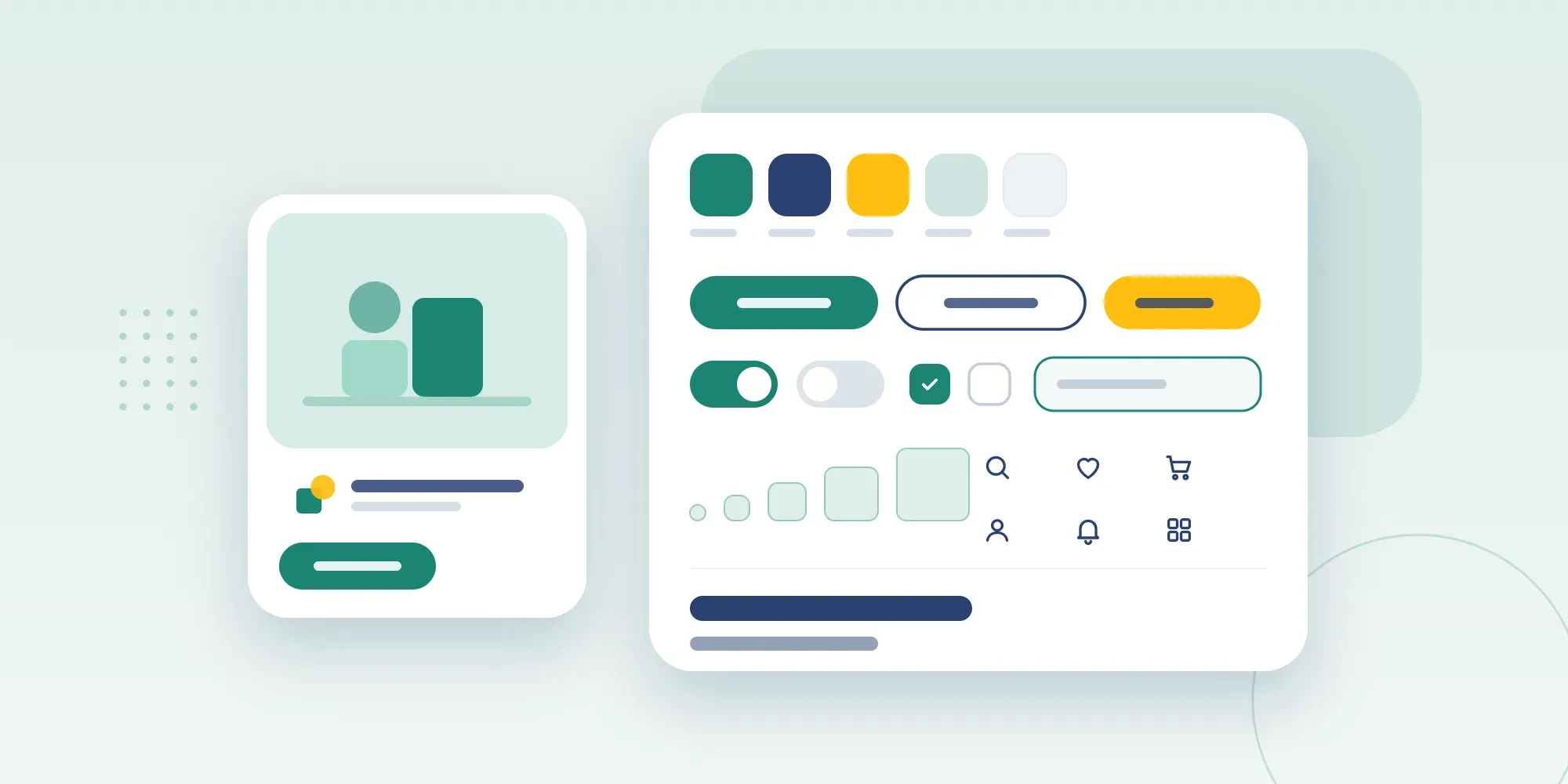
Replace the document with three things. First, locked master templates for every format that recurs: the feed post, the story, the presentation deck, the one page product sheet, the ad, the email header, the invoice. Type, color, margins and logo placement fixed, only the content editable. Build them in the tools your team already opens rather than the tool your designer prefers, because a template in software nobody has installed is not a template.
Second, an asset library that removes every excuse. Logos already exported in the right formats and sizes for each use, icon sets, approved photography, color values written out for print, screen and social, and a clear file naming convention so anyone can find things six months later.
Third, a one page rules card. Not a book. The six or seven decisions that genuinely change whether something looks like your brand, printed and pinned up, with everything else available to anyone who wants the detail.
Governance is the part everyone skips
A system with no owner drifts within a quarter. Name one approver, publish the turnaround time so nobody has an excuse for going around them, and create an explicit path for the exceptions that will inevitably be needed. Saying no with no alternative is the fastest way to teach a team to stop asking.
Measure adoption with a number rather than a feeling. Count how many pieces published each month came off template and how many did not. If the off template count is not falling, the system is wrong, not the team, and the fix is usually another template rather than another reminder. Review quarterly and add whatever people keep requesting.
Done properly this pays back constantly. Every post, deck and advert becomes a fill in exercise instead of a small design project, output rises, and the brand finally looks like one company. Building systems that hold up under that daily use is exactly what our graphic design and brand identity team is engaged to do.